A well-stocked pantry is one of the simplest ways to make everyday cooking easier, more affordable, and less stressful. Whether you’re preparing a quick weekday dinner, baking on the weekend, or creating a meal from whatever you have at home, the right pantry staples give you flexibility and confidence in the kitchen. Instead of making frequent grocery trips for basic ingredients, you can mix and match staple foods to create countless meals.
Building a pantry doesn’t mean buying everything at once. The best approach is to gradually stock versatile ingredients that have long shelf lives and fit your cooking style. Over time, your pantry becomes a reliable foundation that helps reduce food waste, saves money, and encourages healthier home-cooked meals.
Why Every Home Needs a Well-Stocked Pantry
A thoughtfully organized pantry acts as the backbone of your kitchen. When essential ingredients are always available, preparing meals becomes far more convenient. Rather than relying on takeout or processed convenience foods, you can quickly assemble nutritious dishes using ingredients you already own.
Another major advantage is financial savings. Purchasing shelf-stable staples in bulk is often significantly cheaper than buying small quantities repeatedly. Having ingredients readily available also reduces impulse grocery purchases and emergency food deliveries, both of which can increase monthly expenses.
A stocked pantry also provides peace of mind during busy schedules, severe weather, or unexpected events. Even if fresh groceries run low, pantry basics allow you to prepare satisfying breakfasts, lunches, and dinners.
The Benefits of Pantry Planning
Planning your pantry offers several advantages:
- Reduces grocery shopping frequency.
- Minimizes food waste.
- Makes meal planning easier.
- Encourages healthier eating habits.
- Saves money over time.
- Provides emergency food security.
How Pantry Staples Save Time and Money
Simple combinations of pantry ingredients can create complete meals. Rice paired with canned beans and vegetables becomes a hearty dinner. Pasta with canned tomatoes, olive oil, garlic, and herbs transforms into a flavorful Italian-inspired meal. Oats, peanut butter, and honey make quick breakfasts or healthy snacks.
Having these basics available means fewer last-minute grocery trips and more opportunities to cook affordable meals at home.
Essential Dry Goods
Dry goods form the foundation of nearly every pantry because they are affordable, versatile, and store well for months.
Rice, Pasta, and Grains
Keep a variety of grains to accommodate different recipes:
| Staple | Common Uses | Shelf Life (Approx.) |
|---|---|---|
| White rice | Stir-fries, sides, bowls | 2–5 years |
| Brown rice | Healthy meals | 6–12 months |
| Pasta | Countless dinners | 1–2 years |
| Oats | Breakfast, baking | 1–2 years |
| Quinoa | Salads, bowls | 2–3 years |
| Couscous | Quick side dishes | 1–2 years |
These staples pair easily with proteins, vegetables, and sauces, making them some of the most valuable pantry ingredients.
Flour, Sugar, and Baking Essentials
Even occasional bakers benefit from having basic baking supplies on hand.
Recommended essentials include:
- All-purpose flour
- Whole wheat flour (optional)
- Granulated sugar
- Brown sugar
- Baking powder
- Baking soda
- Cornstarch
- Cocoa powder
- Vanilla extract
- Active dry yeast
These ingredients support everything from cookies and pancakes to homemade bread and sauces.
Beans, Lentils, and Legumes
Beans and lentils are affordable, nutrient-rich sources of protein and fiber.
Popular choices include:
- Black beans
- Kidney beans
- Chickpeas
- Pinto beans
- Green lentils
- Red lentils
- Split peas
Dried varieties offer excellent value, while canned options provide convenience.
Canned and Jarred Foods
Shelf-stable canned goods help you prepare meals even when fresh produce isn’t available.
Vegetables and Fruits
Useful canned produce includes:
- Corn
- Green beans
- Peas
- Mixed vegetables
- Pineapple
- Peaches
- Pears
- Applesauce
Choose low-sodium vegetables and fruit packed in juice whenever possible.
Tomatoes, Broths, and Soups
Few pantry ingredients are as versatile as tomatoes.
Keep these stocked:
- Diced tomatoes
- Tomato sauce
- Tomato paste
- Crushed tomatoes
- Chicken broth
- Vegetable broth
- Beef broth
- Cream soups
They serve as the foundation for soups, casseroles, pasta sauces, and stews.
Nut Butters and Spreads
Nut butters provide protein, healthy fats, and quick meal options.
Good pantry choices include:
- Peanut butter
- Almond butter
- Sunflower seed butter
- Fruit jam
- Honey
They work well for breakfasts, sandwiches, snacks, and baking.
Cooking Oils, Vinegars, and Condiments
Flavorful meals depend on having quality cooking fats and seasonings.
Essential Oils
Keep at least two cooking oils:
- Extra virgin olive oil
- Vegetable oil
- Canola oil
- Avocado oil
- Sesame oil (for Asian-inspired dishes)
Different oils have different smoke points and flavor profiles, making variety worthwhile.
Vinegars and Sauces
Versatile pantry condiments include:
- White vinegar
- Apple cider vinegar
- Balsamic vinegar
- Soy sauce
- Worcestershire sauce
- Dijon mustard
- Hot sauce
- Ketchup
- Mayonnaise
These ingredients instantly elevate marinades, dressings, and sauces.
Must-Have Seasonings and Spices
Every pantry should include:
- Salt
- Black pepper
- Garlic powder
- Onion powder
- Paprika
- Italian seasoning
- Oregano
- Basil
- Cumin
- Chili powder
- Cinnamon
- Red pepper flakes
Fresh spices create more flavorful meals, so replace older spices every couple of years if their aroma fades.
Long-Lasting Refrigerated and Frozen Staples
Not every staple belongs on a shelf. Refrigerated and frozen basics complement your pantry perfectly.
Dairy Essentials
Consider keeping:
- Butter
- Eggs
- Milk
- Cheese
- Plain yogurt
Shelf-stable milk is another excellent backup option for emergencies.
Frozen Fruits and Vegetables
Frozen produce offers convenience without sacrificing much nutritional value.
Excellent freezer staples include:
- Mixed vegetables
- Broccoli
- Spinach
- Peas
- Corn
- Mixed berries
- Mango
- Strawberries
They are ideal for soups, smoothies, stir-fries, casseroles, and side dishes.
Smart Pantry Organization Tips
A pantry is only useful if you can easily find what you need.
Storage Methods
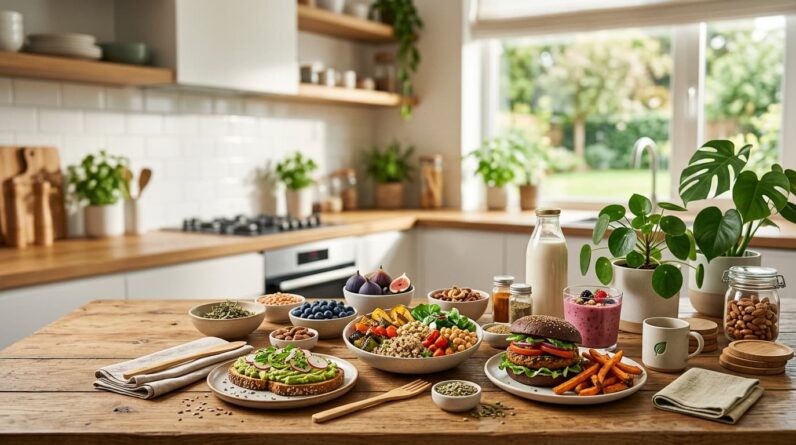
Store dry goods in airtight containers to extend freshness and protect against moisture and pests. Label containers with purchase dates and expiration dates for easier tracking. Clear containers also make it simple to monitor inventory levels.
Group similar items together—for example, baking supplies, canned goods, breakfast foods, grains, snacks, and spices. This arrangement speeds up meal preparation and prevents duplicate purchases.
Rotation and Inventory Management
Practice the “first in, first out” (FIFO) method by placing newer products behind older ones. Review your pantry every few months and use ingredients nearing expiration in upcoming meals.
Keeping a simple inventory list on your phone or inside the pantry door can help you avoid overbuying and ensure essential staples are always available.
Conclusion
An essential pantry isn’t about having the largest collection of ingredients—it’s about stocking versatile foods that support your everyday cooking habits. Staples like grains, beans, canned tomatoes, oils, spices, and baking essentials provide the building blocks for hundreds of satisfying meals while helping you save time and money.
By gradually building your pantry, organizing it effectively, and rotating supplies regularly, you’ll create a kitchen that’s always ready for breakfast, lunch, dinner, or unexpected guests. A thoughtfully stocked pantry makes home cooking simpler, more enjoyable, and far more economical throughout the year.
FAQs
1. What are the most important pantry staples?
Rice, pasta, canned tomatoes, beans, flour, sugar, cooking oil, salt, pepper, spices, and broth are among the most essential pantry basics.
2. How often should I check my pantry?
A monthly review helps monitor inventory, identify items nearing expiration, and plan meals around ingredients you already have.
3. Is it better to buy pantry staples in bulk?
Buying in bulk can save money on frequently used items, provided you have proper storage and can use them before they lose quality.
4. How should dry pantry items be stored?
Store them in airtight containers in a cool, dry, and dark place to maximize freshness and protect against pests.
5. What pantry staples are best for quick meals?
Pasta, rice, canned beans, canned tomatoes, broth, frozen vegetables, oats, peanut butter, eggs, and a variety of seasonings allow you to prepare quick, nutritious meals with minimal effort.