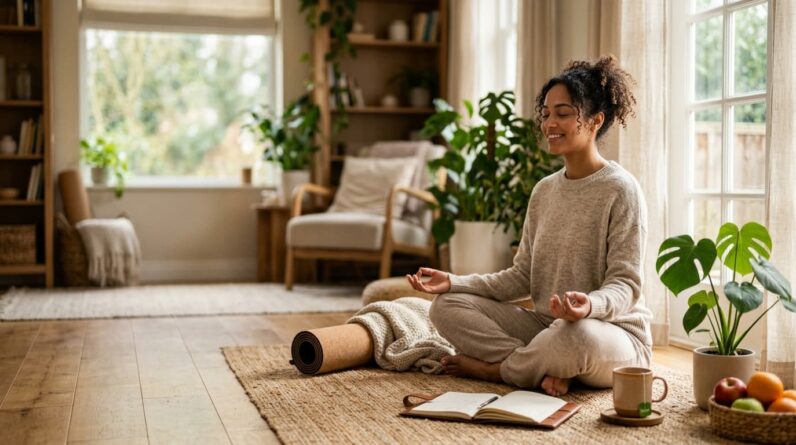
Understanding Quick Stress Relief
Stress has a sneaky way of showing up at the worst possible moments—right before a meeting, during a packed commute, or when you’re trying to fall asleep. Most people assume that real stress relief requires long meditation sessions, vacations, or major lifestyle changes. But here’s the truth: your body is wired to respond to small, immediate interventions. You don’t need an hour. Sometimes, five minutes—or even less—is enough to interrupt the stress cycle and reset your system.
The idea behind quick stress relief isn’t about eliminating stress completely. That’s unrealistic. Instead, it’s about creating rapid “interruptions” in your stress response. Think of it like hitting a reset button on your nervous system. These micro-interventions signal your brain that you’re safe, which gradually shifts your body from a fight-or-flight state into a calmer, more balanced mode.
What makes these techniques powerful is their accessibility. You can use them anywhere—at your desk, in your car, or even standing in line. There’s no need for special equipment or a perfectly quiet environment. Once you understand how these short techniques work, you begin to see stress management not as a big task, but as a series of small, manageable moments.
Why Short Techniques Work
It might sound counterintuitive, but short stress relief techniques can be incredibly effective because they target the body’s automatic responses. When stress hits, your nervous system reacts almost instantly—your heart rate increases, your breathing becomes shallow, and your muscles tense up. The good news? You can reverse these signals just as quickly.
Short techniques work because they tap directly into the autonomic nervous system, particularly the parasympathetic branch responsible for relaxation. Even a brief intervention—like slowing your breath or relaxing your muscles—can send a signal to your brain that the threat has passed. This creates a ripple effect throughout your body, lowering cortisol levels and easing physical tension.
Another reason these techniques are effective is consistency. It’s easier to practice a 2-minute exercise multiple times a day than to commit to a 30-minute routine you might skip. Over time, these small actions compound, creating a noticeable improvement in how you handle stress overall. It’s like building a muscle—the more frequently you use these techniques, the stronger your stress response becomes.
The Science Behind Rapid Relaxation
Behind every quick stress relief technique is a fascinating biological process. When you experience stress, your body activates the sympathetic nervous system, releasing hormones like adrenaline and cortisol. These chemicals prepare you to react quickly, but they also take a toll if they remain elevated for too long.
Rapid relaxation techniques work by activating the vagus nerve, a key component of the parasympathetic nervous system. Stimulating this nerve helps slow your heart rate, reduce blood pressure, and promote a sense of calm. Activities like deep breathing, humming, or even gentle stretching can trigger this response almost immediately.
Research shows that even brief mindfulness or breathing exercises can significantly reduce stress markers. According to studies published in health and psychology journals, just a few minutes of controlled breathing can lower cortisol levels and improve emotional regulation. That means you don’t need a long session to see results—your body is designed to respond quickly if you give it the right signals.
Breathing Techniques for Instant Calm
Breathing is one of the most powerful—and underrated—tools for stress relief. It’s something you do automatically, yet it holds the key to controlling your stress response. When you’re anxious or overwhelmed, your breathing becomes shallow and rapid. By consciously changing your breathing pattern, you can directly influence how your body feels.
The beauty of breathing techniques is their simplicity. You don’t need to leave your environment or draw attention to yourself. In fact, many of these methods can be done discreetly, making them perfect for high-pressure situations like meetings or public spaces. Once you practice them a few times, they become second nature.
Box Breathing Method
Box breathing is a structured technique used by professionals in high-stress fields, including athletes and military personnel. It involves four simple steps: inhale for four seconds, hold for four seconds, exhale for four seconds, and hold again for four seconds. This creates a rhythmic pattern that stabilizes your breathing and calms your mind.
What makes box breathing effective is its predictability. The equal timing creates a sense of control, which is often what stress takes away. As you focus on counting, your mind shifts away from anxious thoughts and toward a simple, repetitive task. This alone can reduce mental clutter and create a sense of clarity.
After just a few cycles, most people notice a drop in heart rate and a feeling of relaxation. It’s a perfect example of how something so simple can produce immediate results.
4-7-8 Breathing Technique
The 4-7-8 technique is another powerful method designed to promote relaxation quickly. You inhale for four seconds, hold your breath for seven seconds, and then exhale slowly for eight seconds. The extended exhale is particularly important because it activates the body’s relaxation response more strongly than inhaling.
This technique is especially useful before sleep or during moments of high anxiety. It slows down your breathing and encourages your body to shift out of stress mode. Many people find that even one or two cycles can make a noticeable difference in how they feel.
Mindfulness in Minutes
Mindfulness often gets packaged as something that requires a quiet room, a meditation cushion, and a chunk of uninterrupted time. That image alone can make it feel inaccessible when you’re already overwhelmed. In reality, mindfulness works best when it’s stripped down to its simplest form—paying attention, on purpose, for just a few moments. You don’t need to escape your environment; you just need to shift how you’re experiencing it.
Short bursts of mindfulness are incredibly effective because they interrupt the mental autopilot that fuels stress. When your mind is racing, it’s usually jumping between past regrets and future worries. A quick mindfulness exercise brings you back to the present, where most stressors lose their intensity. It’s like stepping out of a noisy room into a quiet hallway—you haven’t changed the building, but the experience feels completely different.
What makes mindfulness so powerful in under five minutes is its flexibility. You can practice it while washing your hands, sipping coffee, or even during a conversation. The key is intentional awareness. Once you build this habit, you start noticing stress earlier, which makes it easier to manage before it escalates.
Grounding Exercises
Grounding exercises are one of the fastest ways to anchor yourself in the present moment. When stress or anxiety spikes, your thoughts can feel scattered, almost like your mind is floating away from your body. Grounding pulls you back by engaging your senses and reconnecting you to your immediate environment.
One of the most effective techniques is the 5-4-3-2-1 method. You identify five things you can see, four things you can touch, three things you can hear, two things you can smell, and one thing you can taste. It sounds simple, but it works because it forces your brain to shift focus from internal chaos to external reality. Within minutes, your nervous system begins to settle.
Another approach is physical grounding—pressing your feet firmly into the floor or holding a small object and focusing on its texture. These actions may seem minor, but they create a sense of stability that counters the feeling of being overwhelmed. Over time, grounding becomes a reliable “emergency button” you can press whenever stress starts to spiral.
Physical Techniques to Release Tension
Stress doesn’t just live in your mind—it takes up space in your body. Tight shoulders, clenched jaws, stiff necks—these are all physical signs that your body is holding onto tension. The problem is, many people try to think their way out of stress without addressing the physical side. That’s like trying to stop a car by turning off the radio instead of hitting the brakes.
Quick physical techniques work because they release stored tension directly. When your muscles relax, your brain receives feedback that the threat is gone. This mind-body connection is incredibly powerful, and it works both ways. By calming the body, you naturally calm the mind.
Even small movements can make a difference. A quick stretch, a shoulder roll, or standing up after sitting for too long can shift your physical state enough to reduce stress. The goal isn’t a full workout—it’s a targeted release that resets your system.
Progressive Muscle Relaxation
Progressive Muscle Relaxation (PMR) is a technique that involves tensing and then relaxing different muscle groups in your body. It sounds almost too simple, but it’s highly effective because it increases awareness of where you’re holding tension. Many people don’t even realize how tight their muscles are until they intentionally release them.
The process usually starts at your feet and moves upward, or vice versa. You tense a muscle group for a few seconds, then slowly release it, noticing the difference between tension and relaxation. This contrast is what makes the technique so effective—it teaches your body what “relaxed” actually feels like.
In just a few minutes, you can work through major muscle groups like your shoulders, arms, and jaw. These are common areas where stress accumulates. By the end of the exercise, your body feels lighter, and your mind follows suit. It’s a quick reset that you can do almost anywhere.
Quick Tension-Release Routine
If you’re short on time, you can compress PMR into a rapid routine that targets key areas:
- Clench your fists tightly for 5 seconds, then release
- Shrug your shoulders up toward your ears, hold, then drop them
- Tighten your jaw gently, then relax it completely
- Press your feet into the ground, then release
This mini-sequence takes less than two minutes but can significantly reduce physical tension. Think of it as hitting a “refresh” button for your body.
Mental Reset Strategies
Sometimes stress isn’t about what’s happening around you—it’s about the story you’re telling yourself about it. Your thoughts can amplify pressure, turning small challenges into overwhelming situations. That’s where mental reset strategies come in. They help you step outside your thought patterns and create a new perspective.
A quick mental reset doesn’t mean ignoring problems. It means reframing them in a way that feels manageable. This shift can happen surprisingly fast when you use the right techniques. It’s like adjusting the lens on a camera—nothing changes in the scene, but everything looks different.
These strategies are especially useful in high-pressure environments where you can’t physically step away. With a bit of practice, you can change your mental state in under five minutes without anyone noticing.
Visualization Techniques
Visualization is one of the most effective ways to create a rapid sense of calm. Your brain responds to imagined experiences in a way that’s surprisingly similar to real ones. That means you can “trick” your mind into relaxing by picturing a peaceful scenario.
Close your eyes and imagine a place where you feel completely at ease. It could be a beach, a forest, or even a cozy room. Focus on the details—the sound of waves, the warmth of sunlight, the smell of fresh air. The more vivid the image, the stronger the effect.
Within a couple of minutes, your body begins to respond as if you’re actually in that environment. Your breathing slows, your muscles relax, and your thoughts become less chaotic. Visualization is like a mental vacation you can take anytime, anywhere.
Sensory-Based Stress Relief
Your senses are powerful gateways to relaxation. A familiar scent, a calming sound, or even a comforting texture can shift your mood almost instantly. Sensory-based techniques work because they bypass overthinking and go straight to your nervous system.
For example, inhaling the scent of lavender has been shown to reduce anxiety levels in some studies. Listening to calming music can lower heart rate and blood pressure. Even something as simple as holding a warm cup of tea can create a sense of comfort.
The key is identifying what works for you. Everyone’s sensory preferences are different. Once you find your triggers for calm, you can use them strategically throughout the day.
Digital Detox Micro-Habits
Technology is a double-edged sword. It keeps you connected and informed, but it also exposes you to constant notifications, الأخبار, and comparisons that can quietly increase stress levels. The solution isn’t abandoning your devices—it’s creating small boundaries that give your mind a break.
Micro-detox habits can be as simple as turning off notifications for five minutes or stepping away from your screen during a short break. These small pauses reduce cognitive overload and give your brain a chance to reset.
Over time, these habits can significantly improve your ability to focus and stay calm. It’s not about drastic changes—it’s about creating small pockets of silence in a noisy digital world.
Using Music and Sound Therapy
Sound has a direct impact on your emotional state. Fast, loud music can energize you, while slow, gentle sounds can calm you down. This makes music a powerful tool for quick stress relief.
Listening to instrumental music, nature sounds, or even white noise for a few minutes can help regulate your mood. Some people find that binaural beats or ambient tracks are particularly effective for relaxation.
The beauty of sound therapy is its immediacy. You can put on headphones, press play, and feel a shift within seconds. It’s one of the easiest techniques to integrate into a busy routine.
Quick Lifestyle Adjustments for Daily Calm
Sometimes the biggest impact comes from the smallest changes. Drinking water, stepping outside for fresh air, or simply adjusting your posture can influence how you feel. These micro-adjustments might seem insignificant, but they add up over time.
Stress often builds when basic needs are overlooked. By addressing these needs in small, consistent ways, you create a foundation for calm. It’s not about perfection—it’s about awareness and small, intentional actions.
Creating a 5-Minute Stress Relief Routine
The real magic happens when you combine these techniques into a simple routine. Instead of relying on a single method, you create a sequence that works for you. For example, you might start with deep breathing, follow it with a quick stretch, and end with a grounding exercise.
This layered approach increases effectiveness because it targets multiple aspects of stress—physical, mental, and emotional. In just five minutes, you can create a noticeable shift in how you feel.
Consistency is what makes this routine powerful. The more often you use it, the more natural it becomes. Eventually, stress relief stops being something you “try” to do and becomes something you automatically practice.
Conclusion
Stress doesn’t need hours of your time to be managed effectively. With the right techniques, even a few minutes can create meaningful relief. The key is understanding how your body and mind respond to small interventions and using that knowledge to your advantage. When you build these quick techniques into your daily life, stress becomes less overwhelming and far more manageable.
FAQs
1. Can stress really be reduced in under 5 minutes?
Yes, many techniques like deep breathing and grounding can create immediate physiological changes that reduce stress quickly.
2. Which technique works the fastest?
Breathing exercises are often the quickest because they directly affect your nervous system.
3. How often should I practice these techniques?
You can use them multiple times a day whenever you feel stress building up.
4. Are these techniques a replacement for therapy?
No, they are tools for managing everyday stress but not a substitute for professional help when needed.
5. Do I need a quiet place to practice these methods?
Not necessarily. Many techniques can be done discreetly in almost any environment.