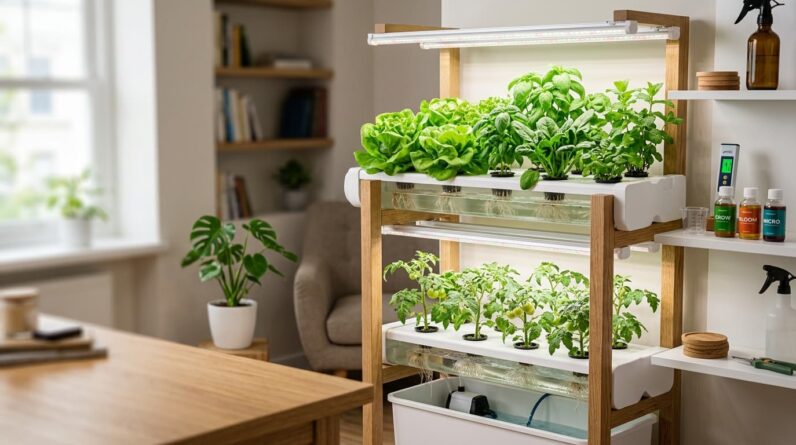
Why Growing Herbs Is a Perfect Side Hustle
Low Startup Costs and High Demand
If you’re looking for a side hustle that doesn’t require a huge upfront investment, growing herbs is one of the easiest ways to get started. You don’t need a large garden, expensive equipment, or years of experience. In fact, many people begin with just a few pots on a windowsill or a small balcony.
What makes herbs especially attractive is the low cost-to-profit ratio. Seeds are inexpensive, soil is affordable, and containers can even be repurposed from things you already have at home. Yet the end product—fresh, organic herbs—can sell at a premium, especially in local markets where quality matters.
Now think about demand. Herbs are used daily in cooking, teas, natural remedies, and even skincare. Restaurants need them. Home cooks buy them regularly. Health-conscious consumers actively look for fresh, chemical-free options.
This creates a steady and reliable market. You’re not trying to sell something people buy once—you’re offering something they need over and over again.
And here’s where it gets interesting: most store-bought herbs are packaged, shipped, and often lose freshness quickly. When you offer locally grown herbs, you’re providing something better—fresher, more flavorful, and often more sustainable.
That difference is what people are willing to pay for.
The Growing Market for Fresh and Organic Herbs
Consumer behavior has shifted in a big way over the past few years. People are paying more attention to what they eat, where it comes from, and how it’s grown. This has led to a surge in demand for organic and locally sourced produce, including herbs.
Farmers’ markets are growing. Local food movements are expanding. Even small grocery stores are starting to highlight locally sourced products. This creates an opportunity for small growers to step in and fill the gap.
There’s also a convenience factor. Many people don’t want to grow their own herbs—but they still want the benefits of fresh ones. That’s where you come in.
You’re not just selling herbs—you’re selling convenience, freshness, and quality.
And because herbs are lightweight and easy to package, they’re also ideal for small-scale selling. You don’t need complicated logistics to get started.
This combination of low barrier to entry + consistent demand is what makes herb growing such a powerful side hustle—especially for beginners.
Getting Started: What You Really Need
Indoor vs Outdoor Herb Growing
One of the first decisions you’ll need to make is whether to grow your herbs indoors or outdoors. The good news? Both options work—you just need to choose what fits your space and lifestyle.
Indoor growing is perfect if you live in an apartment or don’t have access to a garden. A sunny windowsill can be enough to grow herbs like basil, mint, and parsley. You can also use simple grow lights if natural light is limited.
Outdoor growing, on the other hand, gives you more space and often better natural conditions. If you have a backyard, balcony, or even a small patio, you can expand your production more easily.
Each option has its pros and cons. Indoor setups are easier to control but limited in scale. Outdoor setups offer more growth potential but depend on weather conditions.
For beginners, starting small is key. You can always scale up later once you understand what works.
Essential Tools and Setup for Beginners
You don’t need a complicated setup to start growing herbs. In fact, keeping things simple is often the best approach.
Here’s what you’ll need:
- Containers or pots (with drainage holes)
- Quality potting soil
- Herb seeds or starter plants
- A watering can or spray bottle
- Access to sunlight or grow lights
That’s it.
You can upgrade later with things like better containers, irrigation systems, or shelving—but in the beginning, simplicity keeps costs low and learning easy.
The goal is to get started, not to build a perfect system right away.
Choosing the Right Herbs for Profit
Fast-Growing and High-Demand Herbs
Not all herbs are created equal—especially when it comes to making money. Some grow faster, sell better, and are easier to maintain. As a beginner, focusing on these gives you a better chance of success.
Look for herbs that:
- Grow quickly
- Are used frequently in cooking
- Have consistent demand
- Are easy to care for
This combination helps you turn over inventory faster and keep customers coming back.
Herb #1: Basil
Why Basil Is a Top Seller
Basil is one of the most popular herbs in the world—and for good reason. It’s used in everything from pasta sauces to salads, and its fresh flavor is hard to replace.
From a business perspective, basil is a dream. It grows relatively quickly, can be harvested multiple times, and has strong demand in both households and restaurants.
It also has a short shelf life once cut, which means people prefer to buy it fresh. That gives local growers a clear advantage over mass-produced options.
Herb #2: Mint
Easy Growth and Multiple Uses
If there’s one herb that practically grows itself, it’s mint. This makes it one of the best choices for beginners who want quick results without a steep learning curve. Mint is incredibly resilient—it grows fast, spreads easily, and doesn’t require constant attention.
From a side hustle perspective, mint is a goldmine because of its versatility. It’s used in teas, cocktails, desserts, salads, and even natural remedies. That means your potential customer base isn’t limited to just home cooks—you can also sell to tea lovers, health enthusiasts, and small cafes.
Another advantage is how quickly you can harvest it. Mint regrows rapidly after cutting, which allows you to sell multiple batches from the same plant. That’s exactly what you want in a small-scale income setup—continuous output without constantly replanting.
One thing to keep in mind: mint spreads aggressively. If you’re growing it outdoors, it’s best to keep it in containers to prevent it from taking over your entire garden.
Because it’s so easy to grow, mint gives you room to experiment. You can test different selling methods, pricing strategies, and packaging ideas without worrying too much about losing your crop.
It’s the kind of herb that builds confidence early—and that matters more than most people realize.
Herb #3: Cilantro
Popularity in Everyday Cooking
Cilantro is one of those herbs that people either love or avoid—but in terms of demand, it’s consistently high. It’s widely used in cuisines around the world, from Mexican dishes to Asian recipes, making it a staple in many kitchens.
For a side hustle, this widespread use is a big advantage. You’re not targeting a niche audience—you’re tapping into everyday cooking habits.
Cilantro grows relatively quickly, which means you can harvest and sell it in shorter cycles. However, it does require a bit more attention than herbs like mint. It prefers cooler temperatures and can bolt (go to seed) quickly if it gets too hot.
This might sound like a downside, but it actually creates an opportunity. Because cilantro is slightly more delicate, not everyone wants to grow it themselves. That increases the value of someone who can provide fresh, high-quality bundles.
You can also sell both the leaves and the seeds (known as coriander), giving you multiple ways to generate income from a single plant.
Cilantro teaches you a bit more about timing and care—but that’s part of the learning curve that helps you grow your side hustle more effectively.
Herb #4: Parsley
Consistent Demand Year-Round
Parsley might not get as much attention as some other herbs, but it’s one of the most reliable sellers you can grow. It’s used as both a garnish and an ingredient, which means it shows up in a wide range of dishes.
What makes parsley especially valuable is its consistency. Unlike trend-based products, parsley has steady demand throughout the year. People don’t suddenly stop using it—it’s always needed.
From a growing perspective, parsley is fairly low-maintenance. It can thrive in both indoor and outdoor setups and doesn’t require constant attention. It also has a longer harvesting window, which gives you more flexibility.
There are two main types—curly parsley and flat-leaf (Italian) parsley. Offering both can give you an edge, especially if you’re selling to more experienced cooks or local chefs.
Because it’s often used in small amounts, customers tend to buy it regularly rather than in bulk. That’s exactly what you want in a side hustle: repeat customers.
Parsley might not feel exciting—but it’s dependable. And in business, dependable often wins.
Herb #5: Rosemary
Long Shelf Life and Premium Appeal
Rosemary brings something different to the table—durability and a premium feel. Unlike softer herbs, rosemary has a woody structure, which gives it a longer shelf life after harvesting. This makes it easier to store, transport, and sell without worrying about it wilting quickly.
It’s commonly used in roasted dishes, meats, and even infused oils, which gives you multiple selling angles. You’re not limited to just fresh bundles—you can expand into value-added products more easily.
From a growing standpoint, rosemary prefers a bit more patience. It doesn’t grow as quickly as basil or mint, but once established, it’s quite hardy and requires minimal maintenance.
Because of its strong aroma and flavor, a little goes a long way. This allows you to sell smaller quantities at a higher perceived value.
Rosemary also has a slightly more “premium” image compared to everyday herbs. This can work in your favor when it comes to branding and pricing.
It’s not about speed with rosemary—it’s about positioning. And when done right, it can increase your overall profit margins.
Herb #6: Thyme
Small Plant, Big Value
Thyme might be small, but it’s incredibly powerful—both in flavor and in business potential. It’s widely used in cooking, especially in soups, stews, and roasted dishes, which keeps demand steady.
What makes thyme appealing for beginners is its compact size. You don’t need much space to grow it, which makes it perfect for indoor setups or small-scale operations.
It’s also a hardy plant that can tolerate different conditions, making it relatively easy to manage once you understand the basics.
From a selling perspective, thyme works well both as a fresh herb and as a dried product. Drying herbs is a simple way to extend shelf life and create additional income streams.
You can bundle thyme with other herbs to create mixed packs, which often sell better than single items. This kind of simple product strategy can increase your overall sales without much extra effort.
Thyme proves that you don’t need large plants or large spaces to build something profitable. Sometimes, small and consistent is more than enough.
How to Grow Herbs Successfully
Watering, Sunlight, and Soil Basics
Growing herbs isn’t complicated—but it does require a bit of consistency. The good news is that once you understand the basics, most herbs follow similar patterns.
Let’s break it down:
- Watering: Most herbs prefer slightly moist soil, not soaking wet. Overwatering is one of the most common mistakes beginners make. A simple rule? Let the top layer of soil dry out before watering again.
- Sunlight: Herbs love light. Aim for at least 6 hours of sunlight per day. If you’re growing indoors, place them near a window or use grow lights.
- Soil: Well-draining soil is essential. Herbs don’t like sitting in water, so good drainage helps prevent root rot.
It’s not about perfection—it’s about observation. Pay attention to how your plants respond, and adjust as needed.
The more you grow, the more intuitive it becomes.
How to Turn Herbs Into Income
Selling Fresh Herbs Locally
Now that you know what to grow and how to grow it, let’s talk about the part that really matters for a side hustle—making money.
The simplest way to start is by selling fresh herbs locally. You don’t need a big brand or a website right away. In fact, many successful herb sellers begin with just their local community.
Think about places where people already look for fresh produce:
- Farmers’ markets
- Local grocery stores
- Neighborhood groups
- Friends, family, and coworkers
Fresh herbs have a strong advantage because of their short shelf life in stores. When people buy locally, they’re getting something fresher and more flavorful—and they know it.
Presentation matters here. Even something as simple as tying herbs into neat bundles or placing them in small eco-friendly packaging can make a big difference in perceived value.
Pricing is another key factor. You don’t want to underprice your product just because you’re starting out. Look at local market rates and position yourself competitively while still valuing your time and effort.
One of the best parts of selling locally is the relationships you build. Repeat customers are the foundation of a successful side hustle. When people trust your quality, they’ll keep coming back.
Creating Value-Added Products
If you want to increase your income without significantly increasing your workload, value-added products are the way to go.
Instead of just selling raw herbs, you can turn them into products that have a higher perceived value and longer shelf life. For example:
- Dried herb blends
- Herbal teas
- Infused oils
- Herb-based seasonings
Let’s say you grow basil, rosemary, and thyme. Instead of selling each separately, you could create an Italian seasoning mix. Now you’re not just selling herbs—you’re selling convenience.
This approach allows you to charge more while using the same raw materials. It also helps reduce waste, since you can use excess herbs that might otherwise go unsold.
Another advantage is scalability. Value-added products can be packaged, stored, and even sold online more easily than fresh herbs.
You don’t need to complicate things in the beginning. Start with one or two simple products and see how your customers respond.
Over time, you can expand your offerings based on demand.
Packaging and Branding Your Herbs
Making Your Product Stand Out
Here’s something many beginners overlook: people don’t just buy products—they buy presentation and story.
You could have the freshest herbs in town, but if they’re poorly packaged, they won’t stand out. On the flip side, simple but thoughtful packaging can instantly elevate your product.
Start with clean, attractive packaging. This could be:
- Kraft paper bags
- Clear eco-friendly containers
- Small labeled bundles
Add a label with your brand name, the herb type, and maybe even a short message like “locally grown” or “organic.” These small details build trust.
Branding doesn’t have to be complicated. Even a simple, consistent look can make you appear more professional.
You can also tell your story. Why did you start growing herbs? What makes your product special? People connect with authenticity—and that connection often turns into loyalty.
Think of your packaging as your silent salesperson. It speaks for your product when you’re not there to explain it.
Where to Sell Your Herbs
Online and Offline Opportunities
Once you’re ready to sell, the next question is: where?
The good news is, you have more options than ever before.
Offline options:
- Farmers’ markets
- Local shops and cafes
- Community events
These are great for building relationships and getting direct feedback from customers.
Online options:
- Social media platforms (Instagram, Facebook Marketplace)
- Local selling apps
- Your own simple website
Online selling allows you to reach a wider audience, even from home.
A smart approach is to combine both. Use offline channels to build trust and visibility, and online platforms to expand your reach.
Consistency is key. The more regularly people see your product, the more familiar—and trusted—it becomes.
Conclusion
Growing your own herbs isn’t just a relaxing hobby—it can be a practical and profitable side hustle. With low startup costs, steady demand, and endless ways to expand, it’s one of the most beginner-friendly ways to start earning from home.
What makes it powerful is its simplicity. You don’t need a huge space, advanced skills, or a big investment. You just need to start small, stay consistent, and learn as you go.
From basil and mint to rosemary and thyme, each herb offers its own opportunity. And when you combine smart growing with thoughtful selling, you create something that goes beyond just plants—you build a small, sustainable business.
The best part? You’re in control. You decide how big you want to grow, how much time you invest, and how you shape your brand.
Start with one pot. One herb. One customer.
That’s how every successful side hustle begins.
FAQs
1. How much money can I make selling herbs?
It depends on your scale, but many beginners start earning small side income that can grow over time with consistent sales and expansion.
2. Do I need a lot of space to grow herbs?
No, you can start with small indoor spaces like windowsills or balconies.
3. Which herb is most profitable for beginners?
Basil and mint are great starting points due to high demand and fast growth.
4. Can I sell herbs online?
Yes, especially value-added products like dried herbs and blends.
5. How long does it take to start selling?
Some herbs can be ready to harvest and sell within a few weeks, depending on the type.