Understanding the Rise of Recession Gardening
What Is Recession Gardening?
Recession gardening isn’t just a trendy phrase tossed around during economic downturns—it’s a practical, almost instinctive response to uncertainty. When grocery bills start creeping up and paychecks don’t stretch quite as far as they used to, people begin looking for ways to regain control. One of the most empowering ways is growing your own food right in your backyard. At its core, recession gardening is the practice of cultivating fruits, vegetables, and herbs at home specifically to reduce dependency on store-bought food and cut costs.
Think of it like turning your backyard into a mini grocery store—except you don’t have to deal with price hikes or empty shelves. You plant seeds, nurture them, and harvest fresh produce that would otherwise cost significantly more at the supermarket. What makes this movement so appealing is that it doesn’t require a huge farm or a perfect piece of land. Even a few containers on a patio or herbs growing in a sunny kitchen window can become part of the same effort. The point isn’t perfection. The point is producing something useful with your own hands.
There’s also a deeper psychological comfort tied to the movement. Growing food creates a feeling of independence that buying it never can. You’re not fully at the mercy of supply chains, inflation, or shortages. You have a direct role in feeding yourself and your family, and that changes the relationship people have with food. It starts to feel less like a product and more like a process—something real, tangible, and earned. In uncertain times, that kind of control is incredibly valuable.
Another reason recession gardening keeps spreading is because it tends to be naturally resourceful. People reuse pots, save seeds, compost kitchen scraps, and swap plant cuttings with neighbors. It’s practical in a way that fits the mood of harder times. And interestingly, many people who start gardening during an economic squeeze keep doing it long after their finances improve. Once they taste the benefits—fresh flavor, lower grocery bills, better mental health—it stops feeling like a temporary solution and starts looking like a smarter way to live.
Historical Roots of Grow-Your-Own Movements
If recession gardening sounds like a modern trend, it’s really more of a revival. History shows that whenever societies face economic pressure, war, supply shortages, or social instability, people return to the land in whatever way they can. One of the clearest examples is the Victory Garden movement during World War I and World War II. Households across the United States and other countries turned lawns, schoolyards, and empty lots into productive vegetable plots. Governments actively encouraged it, and millions responded because the need was immediate and practical.
At the height of the Victory Garden era, homegrown produce made up a surprisingly large share of national food consumption. That’s not a minor footnote in history—it shows just how powerful decentralized food production can become when ordinary people participate on a massive scale. It also reveals something important about human behavior: when formal systems feel strained, people instinctively look for ways to contribute and protect themselves at the household level. Gardening becomes both a survival tool and a symbol of resilience.
More recently, similar patterns appeared during the 2008 financial crisis, when unemployment and shrinking household budgets pushed many families to rethink how they spent money. Seed sales increased, community gardens grew in popularity, and backyard food production became part of a broader return to frugality. During later periods of supply chain disruption and food inflation, the same cycle repeated. It was as if an old instinct had been waiting quietly in the background, ready to reappear the moment people needed it again.
What’s different today is that modern gardeners have access to far more information. A person can learn about soil health, composting, pest control, raised beds, and seasonal planting from online communities, videos, and apps in a single afternoon. So while the heart of the movement is old, the tools supporting it are very new. That blend of historical instinct and modern know-how is part of what makes the current grow-your-own food movement feel so strong. It’s rooted in the past, but it fits the present perfectly.
Why More People Are Turning to Backyard Gardening
Economic Pressures and Food Costs
Walk into a grocery store today and it doesn’t take long to feel the shift. Items that once seemed routine now feel noticeably more expensive. Eggs, fresh greens, peppers, tomatoes, herbs, berries—none of these are luxury goods, yet their prices can make shoppers hesitate. This is one of the biggest reasons backyard gardening has moved from hobby territory into practical household strategy. When people feel squeezed, they start looking for expenses they can soften, and food is one of the few categories where home production can make a visible dent.
The appeal is simple. A packet of seeds costs little compared to repeated store purchases over an entire season. Once the garden is established, the value starts multiplying. One tomato plant can yield pounds of fruit. A row of lettuce can give multiple harvests. Herbs that cost several dollars a bundle at the store can grow for months in one pot. For families trying to stretch a budget, even these modest savings matter. It’s less about becoming fully self-sufficient overnight and more about replacing a meaningful slice of recurring grocery costs with something homegrown.
There’s also something strategic about gardening during inflation. Store prices go up based on transportation costs, climate impacts, shortages, and market fluctuations. A home garden, once started, is much less exposed to those changes. The cost of sunlight is still free. Rain still helps. Compost can come from kitchen scraps. In that sense, gardening works like a small financial buffer. It doesn’t remove all economic pressure, but it reduces dependence on some of the systems causing that pressure in the first place.
Just as important, gardening changes spending habits. People who grow food tend to cook more at home, waste less produce, and make fewer impulsive grocery purchases because they already have fresh ingredients available. The garden influences the kitchen, and the kitchen influences the budget. Over time, this creates a ripple effect that’s bigger than the harvest itself. That’s why the recession gardening movement resonates so strongly right now. It offers practical savings, yes—but it also gives households a way to feel less cornered by rising costs.
The Desire for Food Security
There’s a subtle but powerful shift happening in how people think about food, and it goes beyond saving money. The idea of food security—knowing that you’ll have steady access to fresh, nourishing food—has become more important for many households. Supply chain disruptions, transportation delays, labor shortages, crop failures, and sudden price spikes have made one thing painfully clear: the system people depend on isn’t always as stable as it looks. Once that realization sinks in, many begin looking for ways to build a little security of their own.
Backyard gardening offers exactly that. It’s not some dramatic doomsday solution. It’s a quiet, practical fallback. A few raised beds filled with greens, beans, herbs, and tomatoes may not replace every grocery trip, but they can provide a dependable stream of food right outside the door. That changes the emotional landscape. Knowing you can step outside and harvest ingredients for dinner brings a sense of calm that shopping never does. Even a modest garden can make a household feel more prepared and less exposed.
There’s also a deeply human instinct underneath all of this. People feel grounded when they participate in their own survival, even in a small way. Gardening turns consumers into producers. It restores a connection that modern life often strips away. Food stops being something that simply appears under fluorescent store lights and starts becoming something with a season, a story, and a visible process. That awareness changes how people value both the effort and the outcome.
Families are especially drawn to this aspect of the movement. Parents want to know where food comes from, how it was grown, and what went into it. A backyard garden answers all of those questions without labels, guesswork, or marketing spin. It also encourages healthier eating, less waste, and more appreciation for what’s on the plate. That’s why food security has become more than a buzzword. It’s one of the emotional engines behind the recession gardening movement, turning a simple backyard patch into something that feels surprisingly powerful.
Benefits of Growing Your Own Food
Financial Savings Over Time
One of the first questions people ask about gardening is whether it actually saves money. The honest answer is yes, but usually not in the flashy, overnight way some people imagine. Gardening is more like a slow, reliable payoff. There may be a modest upfront investment in soil, containers, seedlings, or tools, but once those basics are in place, the value starts building season after season. Over time, growing your own food can reduce grocery spending in a very real and very noticeable way.
Take tomatoes as a simple example. A healthy plant can produce pounds and pounds of fruit during a season, especially if it’s an indeterminate variety that keeps producing over time. Compare that with store prices for fresh tomatoes, and the math starts to make sense quickly. The same goes for lettuce, herbs, peppers, zucchini, green beans, and cucumbers. These crops offer strong returns because they either produce heavily, can be harvested multiple times, or cost more per pound at the store than many people realize. A few well-chosen plants can carry surprising value.
The financial benefits become even stronger when gardeners start making their systems more self-sustaining. Saving seeds from one season to the next cuts future costs. Composting kitchen scraps into fertilizer reduces the need to buy soil amendments. Reusing pots, trellises, and raised beds turns one-time purchases into long-term assets. This is where recession gardening becomes especially clever. It’s not just about what you harvest this month. It’s about steadily lowering the cost of producing food at home over the long run.
There are also hidden savings that don’t show up immediately on paper. Homegrown produce is harvested fresh, which means it often lasts longer and gets wasted less. People who garden also tend to cook at home more often and make fewer impulse purchases during grocery trips. Those habits add another layer of savings beyond the vegetables themselves. So while gardening may begin as a reaction to rising prices, the long-term financial upside is what convinces many people to keep going. It turns a patch of soil into a budget tool.
Health and Nutritional Advantages
Anyone who has eaten a tomato straight off the vine already understands this part instinctively: homegrown food tastes different. It tastes fuller, fresher, and somehow more alive. That difference isn’t just about romance or nostalgia. Produce grown at home is often harvested at peak ripeness, which means it can retain more flavor and, in many cases, stronger nutritional quality than fruits and vegetables picked early for shipping and storage. When you grow food yourself, freshness stops being a slogan and becomes the default.
There’s also the issue of control. When you grow your own vegetables and herbs, you decide what goes into the soil and what gets sprayed on the leaves. Many gardeners choose to avoid harsh chemicals, which means their harvest can be cleaner and more transparent than many store-bought alternatives. You know the growing conditions because you created them. That kind of confidence matters, especially for households trying to eat healthier or reduce unnecessary exposure to additives and pesticides.
The benefits aren’t limited to what ends up on the plate. Gardening itself is a kind of low-intensity physical activity that folds movement naturally into daily life. Digging, watering, carrying soil, pulling weeds, and harvesting all keep the body active without needing a gym membership or a structured workout plan. At the same time, time spent in the garden often improves mood and lowers stress. There’s something about being outside, working with your hands, and watching growth happen slowly that can calm the nervous system in a way screens and indoor routines rarely do.
For families, the health advantages stretch even further. Children who help grow vegetables are often more willing to eat them. Meals become more meaningful because the ingredients feel familiar and earned. Food isn’t just served; it’s part of a story they helped create. In that way, home gardening supports better eating habits, better physical activity, and better emotional well-being all at once. It becomes more than a food source. It becomes part of a healthier rhythm of life.
Getting Started with Backyard Gardening
Choosing the Right Space
Starting a garden can feel intimidating at first, mostly because people assume they need the perfect setup before they begin. A huge yard, flawless soil, expensive raised beds, ideal sunlight—it all sounds nice, but it’s not required. One of the most freeing things about backyard gardening is that it can begin almost anywhere. A corner of a yard, a sunny fence line, a patio with containers, or even a balcony can become productive if the space is chosen thoughtfully. The key is not perfection. The key is choosing a spot that works with your real life.
Sunlight is usually the first thing to pay attention to. Most vegetables prefer at least six to eight hours of direct sun per day, so it helps to observe how the light moves across your space. That patch that looks bright in the morning might fall into shade by afternoon, while another spot may quietly get the full exposure plants need. If your space only offers partial sun, that doesn’t mean gardening is off the table. Herbs, leafy greens, and some root vegetables can still perform well with less-than-ideal light.
Convenience matters more than many beginners realize. A garden placed too far from the house or in an awkward corner can become easy to neglect. But when the garden is close to your routine—near the back door, along a patio, beside a path you already use—you’re more likely to water it, notice problems early, and harvest regularly. Successful gardens often thrive not because they’re in a magical location, but because they’re easy to care for consistently. Accessibility turns good intentions into daily habits.
Soil quality is important, but it’s not a reason to delay starting. If native soil is poor, containers and raised beds can solve the problem immediately by letting you create a custom growing environment. In fact, many beginners find raised beds easier because they offer control and reduce guesswork. Starting small is also wise. A compact, manageable garden teaches more and frustrates less than an oversized one that quickly becomes overwhelming. Choosing the right space is really about creating conditions you can sustain. Once that’s in place, gardening gets much easier.
Essential Tools and Supplies
One of the biggest traps for beginner gardeners is believing they need to buy half the garden center before planting a single seed. The truth is much simpler. A productive garden can begin with a surprisingly small collection of tools and supplies. That’s good news for anyone interested in recession gardening, because the whole point is to grow food without turning the process into an expensive new hobby. A few reliable basics will take you much farther than a pile of gadgets ever could.
At the foundation, a hand trowel, a pair of gloves, a watering can or hose, and a garden fork or small shovel will handle most early tasks. These are the workhorses. They help with planting seedlings, loosening soil, transplanting herbs, and maintaining beds. Good tools matter, but fancy tools are optional. Many people also find that repurposed household items—buckets, crates, old containers, even wooden boxes—can work beautifully in the early stages. Gardening often rewards creativity more than spending.
Then come the growing materials themselves: seeds or seedlings, quality soil, and compost. Seeds are the most budget-friendly option and offer a wider variety, while seedlings give beginners a head start and immediate momentum. There’s no single right choice here. Some people mix both, starting easy crops from seed and buying a few young plants for confidence. Healthy soil is where the real success begins. Rich soil with compost gives plants the structure and nutrients they need, and that matters far more than decorative extras.
Containers, raised beds, mulch, and simple supports like stakes or cages can be added as needed. The important thing is to build gradually. Let the garden teach you what it actually needs instead of guessing in advance. Over time, you’ll learn which tools you reach for constantly and which ones you could have skipped. That’s part of the charm. The garden shapes your method. With just a few essentials and a willingness to learn as you go, you already have enough to start turning empty space into useful food.
Best Crops for Recession Gardening
High-Yield Vegetables
When the goal is to save money and increase your food supply, choosing the right crops matters just as much as knowing how to grow them. Some plants are generous and productive, giving repeated harvests or heavy output from a small footprint. Others consume more time, space, and energy than they return. In a recession garden, efficiency becomes part of the strategy. You want vegetables that make your effort feel worthwhile, and high-yield crops are usually the best place to begin.
Zucchini is the classic example. Many gardeners joke that one plant is enough to feed half the neighborhood, and honestly, that’s not far off. It grows fast, produces heavily, and can keep going for weeks. Tomatoes are another powerhouse, especially indeterminate varieties that continue fruiting over a long season instead of all at once. Beans and peas are also strong performers, providing multiple harvests and adding value beyond the plate by improving soil health through nitrogen fixation. Leafy greens such as lettuce, kale, and spinach also earn their place because they can be harvested repeatedly if cut carefully.
| Crop | Average Yield per Plant | Growth Time | Reharvest Potential |
|---|---|---|---|
| Zucchini | High | 45–55 days | Yes |
| Tomatoes | High | 60–85 days | Yes |
| Lettuce | Medium | 30–45 days | Yes |
| Green Beans | High | 50–60 days | Yes |
The beauty of high-yield vegetables is that they make a small garden feel larger than it is. A handful of carefully chosen crops can produce enough to support meals again and again, reducing grocery dependence in a visible way. They also build confidence. Beginners who plant productive crops see results faster, and that success encourages them to expand. In many ways, the smartest recession garden is not the biggest one. It’s the one planted with purpose, filled with crops that keep giving back all season long.
Low-Maintenance Crops
Not everyone has the time or energy to hover over a garden every day, and that’s completely fine. One of the reasons the gardening movement has spread so widely is that it can be adapted to real life. Some people want intensive raised beds and detailed planting schedules. Others just want a few dependable crops that don’t demand constant attention. That’s where low-maintenance vegetables and herbs become incredibly useful. They allow people to grow food without turning it into another exhausting responsibility.
Herbs are among the easiest wins. Basil, thyme, rosemary, oregano, chives, and mint can thrive with relatively little effort once established. They also carry strong value because store-bought herbs tend to be expensive for what you get. Root vegetables like radishes and carrots are another practical choice. Radishes are especially satisfying because they grow quickly and deliver results fast, while potatoes often produce generously with very modest care. These crops don’t need constant pampering to succeed, which makes them ideal for busy households or complete beginners.
Perennial food crops deserve attention too. Plants like asparagus, rhubarb, and certain herbs come back year after year, reducing the need to start from scratch each season. They may require patience upfront, but they reward that patience with repeat productivity. Even fruiting plants like some berry bushes can become long-term contributors once they settle in. In a recession-minded garden, this matters because it lowers both labor and future cost. You’re building food systems that continue working with less effort over time.
Low-maintenance crops make gardening feel sustainable in the emotional sense as well. They reduce pressure. They forgive missed days. They keep the process enjoyable instead of turning it into a source of guilt. That may sound small, but it’s a big reason people stick with gardening long enough to benefit from it. A garden that fits your life is far more valuable than one that looks impressive but becomes impossible to manage. Simplicity, in this case, is not settling. It’s strategy.
Soil, Composting, and Sustainability
Building Healthy Soil Naturally
If plants are the visible part of the garden, soil is the hidden engine making everything possible. You can buy the best seeds, place them in perfect sunlight, and water them on schedule, but poor soil will hold everything back. Healthy soil isn’t just dirt. It’s a living system filled with organic matter, microorganisms, air pockets, moisture, and nutrients working together. In a successful backyard food garden, the harvest above ground usually reflects the life and balance below it.
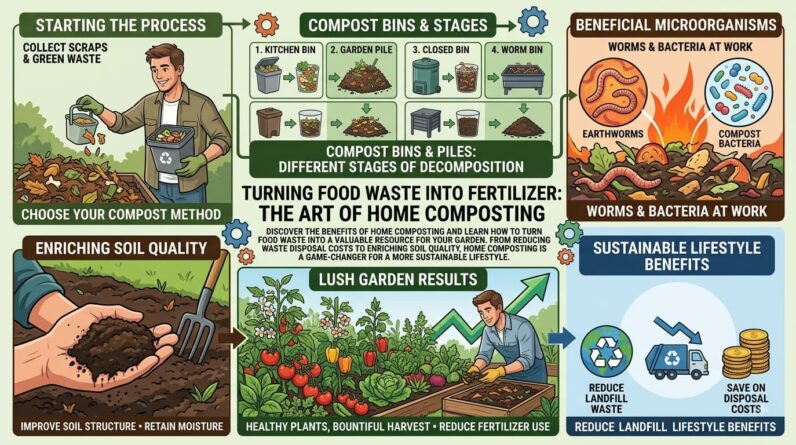
One of the best ways to improve soil naturally is by adding compost. Compost feeds the soil instead of just feeding the plant. That distinction matters. Rather than forcing growth with quick synthetic inputs, compost improves the soil structure, helps it hold water, supports microbial life, and releases nutrients more gradually. In practical terms, that means stronger plants, fewer stress issues, and more reliable harvests. It also means you’re building something that gets better with time instead of constantly needing rescue.
Mulching is another simple but powerful practice. A layer of straw, dry leaves, or grass clippings protects the soil from harsh sun, reduces evaporation, and suppresses weeds. It acts like insulation for the earth. As it breaks down, it also contributes organic matter back into the bed. Crop rotation can help too, especially if you’re using the same growing areas repeatedly. Changing what you plant in each space prevents certain nutrients from being drained season after season and makes it harder for pests and diseases to settle in comfortably.
What makes natural soil building so useful in recession gardening is that it often relies on materials people already have. Kitchen scraps, fallen leaves, grass clippings, and garden waste all become inputs rather than trash. That lowers cost while increasing resilience. Over time, healthy soil becomes one of the most valuable assets in the garden because it improves nearly every part of the system. Better soil means healthier plants, healthier plants mean better yields, and better yields mean more food on the table with less struggle.
Composting Kitchen Waste
Composting is one of those simple practices that changes how you see waste almost overnight. Banana peels, coffee grounds, vegetable trimmings, eggshells, wilted greens—things that usually get tossed out suddenly become future fertility. In the context of recession gardening, that’s a powerful shift because it turns everyday leftovers into something that directly supports the next harvest. It connects the kitchen and the garden in a loop that feels both practical and satisfying.
The basic idea is straightforward. Compost works by combining “green” materials, which are richer in nitrogen, with “brown” materials, which provide carbon. Greens include fruit scraps, vegetable peelings, and fresh plant material. Browns include dry leaves, cardboard, shredded paper, and small twigs. With the right balance of moisture and air, those materials break down into a dark, crumbly amendment that enriches the soil naturally. You don’t need a huge property or expensive equipment to do it. A simple bin, a corner pile, or even a compact compost tumbler can be enough.
What makes composting especially attractive is that the benefits stack up fast. It reduces household waste, lowers the need for purchased fertilizers, improves soil structure, and supports healthier plant growth. It also encourages a different kind of awareness. Once people start composting, they often become more mindful of what they consume, what they waste, and how much usable material was being thrown away all along. It creates a feeling of efficiency that fits perfectly with the spirit of backyard-to-table living.
There’s an environmental benefit too. Organic waste in landfills can generate methane, while composting redirects that waste into something useful and productive. So while composting feels small on a household level, its impact reaches further than the garden bed. It supports sustainability without requiring grand gestures. In a movement built around resilience, thrift, and food production, composting may be one of the smartest habits of all. It quietly turns scraps into strength and waste into next season’s abundance.
Common Challenges and How to Overcome Them
Pest Control Without Chemicals
Every gardener eventually faces the same irritating reality: pests show up uninvited. One day your leaves look healthy and untouched, and the next something has chewed holes through them like it paid rent. It can feel personal, especially after you’ve watered, mulched, and cared for a plant for weeks. In a home food garden, pest problems are part of the process, not proof of failure. The good news is that dealing with them doesn’t automatically require expensive or harsh chemical solutions.
One of the most effective natural strategies is companion planting. Certain plants help protect others by repelling insects or attracting beneficial predators. Marigolds are a classic example because they can discourage certain garden pests, while flowering herbs and plants such as dill, fennel, and alyssum may attract helpful insects like ladybugs and lacewings. These natural predators feed on aphids and other common troublemakers, turning the garden into a more balanced ecosystem. Instead of treating pest control like a war, you start treating it like ecology.
Homemade and low-toxicity treatments can help when the balance needs support. A mild soap-and-water spray may be enough to reduce soft-bodied pests. Neem oil is another popular option because it’s plant-based and broadly useful when applied carefully. Physical barriers also deserve more credit than they usually get. Row covers, insect netting, collars around seedlings, and simple hand-picking can stop problems early before they become infestations. These approaches are affordable, practical, and aligned with the goal of growing food as naturally as possible.
The bigger lesson is that pest control works best when it’s proactive rather than panicked. Healthy soil, crop diversity, clean garden habits, and frequent observation prevent many problems from spiraling out of control. A garden checked regularly tells you what it needs before disaster sets in. That’s part of becoming a better gardener. You stop expecting a flawless, untouched patch of land and start learning how to guide a living system with patience. Chemical-free pest control isn’t about eliminating every bug. It’s about keeping the balance in your favor.
Dealing with Weather and Climate Issues
If pests are frustrating, weather is humbling. A gardener can do nearly everything right and still lose momentum to a late frost, a brutal heatwave, endless rain, or a stretch of dry wind that seems to suck moisture out of the earth overnight. This is one of the most important realities of backyard gardening: nature does not follow your plans. But while you can’t control the weather, you can absolutely learn to respond to it with better timing, better design, and better protection.
The first step is understanding your local growing season. Knowing average frost dates, summer heat patterns, and rainfall tendencies helps you choose the right crops at the right time. Cool-season vegetables like spinach, lettuce, and peas often do best in spring or fall, while tomatoes, beans, cucumbers, and peppers prefer warmer conditions. Planting according to season solves many problems before they begin. The second step is using simple protective tools when conditions turn rough. Row covers can shield plants from light frost, shade cloth can soften extreme heat, and mulch helps stabilize soil temperature while holding moisture.
Water management becomes especially important when the climate swings hard in either direction. During hot or dry periods, deeply watering less often usually helps roots grow stronger than shallow daily sprinkles. During heavy rain, drainage matters just as much as irrigation. Raised beds, healthy soil structure, and carefully chosen planting sites can keep roots from sitting in water too long. Even wind can be managed by planting near fences, using trellises wisely, or creating barriers that protect fragile crops without blocking all airflow.
The interesting thing is that weather challenges often make gardeners better. They teach observation, timing, and adaptability. You start noticing the shape of shade in late afternoon, the way certain areas dry out faster, and which crops handle stress better than others. That knowledge compounds over time. In a recession gardening mindset, resilience matters more than perfection. The goal isn’t to force the garden to obey. It’s to build a system flexible enough to bend with conditions and still keep producing food when you need it most.
The Social Impact of the Gardening Movement
Community Gardens and Sharing Economies
Although backyard gardening often begins as a household decision, it rarely stays limited to one yard for long. Food has a way of connecting people, and gardening seems to amplify that effect. Advice gets exchanged over fences. Extra zucchini gets handed to neighbors. Seeds are traded, cuttings are shared, and suddenly a personal project becomes part of a local culture. That’s one reason the recession gardening movement has a social side that matters just as much as the harvest itself.
Community gardens are one of the clearest expressions of that social impact. They turn unused land into shared growing space, giving people access to food production even if they don’t own property or have a yard. For apartment dwellers, renters, and families in dense urban neighborhoods, these gardens open the door to participation in a movement that might otherwise feel out of reach. They also create environments where knowledge circulates naturally. Beginners learn from experienced growers. Cultural traditions around food and farming get passed along informally. Skills spread in a way that feels organic and practical.
There’s also a quiet economy built around gardening communities. People share tools instead of buying duplicates. They swap seedlings they started from seed. One person has too much basil, another has extra cucumbers, and both walk away with more variety at no extra cost. These exchanges reduce spending, but they also build trust and reciprocity. In harder economic times, those small systems of mutual support become especially meaningful. They remind people that resilience doesn’t only happen at the individual level. It can be built collectively.
This may be one of the most overlooked strengths of the gardening movement. It doesn’t just produce food. It strengthens local relationships, encourages generosity, and makes neighborhoods feel less anonymous. In a culture that can often feel isolated and transactional, community gardening creates something warmer and more grounded. It brings people together around usefulness, care, and shared abundance. And in times of uncertainty, that kind of social fabric is every bit as valuable as the vegetables themselves.
Strengthening Family Bonds Through Gardening
There’s something quietly restorative about family members working in a garden together. The pace is slower, the task is shared, and the outcome unfolds over time instead of instantly. In a world crowded with screens, notifications, and busy schedules, gardening as a family creates a rare kind of togetherness that doesn’t need much explanation. You plant, water, weed, wait, and eventually harvest. The process itself becomes the glue.
Children tend to respond especially well to gardening because it turns learning into something physical and visible. A seed isn’t an abstract idea when they place it in soil and watch it emerge days later. Responsibility feels real when a plant droops because it was forgotten, and success feels real when that same plant eventually becomes part of dinner. These are lessons in patience, care, and effort, but they don’t arrive like lectures. They arrive through experience, which is exactly why they stick.
For adults, the garden often becomes a place where conversation happens more naturally. Talking while watering beds or harvesting beans feels easier than trying to force meaningful moments in the middle of rushed routines. Even the planning side creates connection. Deciding what to grow, where to place it, and how to solve a problem together builds teamwork in small but lasting ways. Everyone has a role, even if it’s just checking on seedlings or snipping herbs for dinner.
Meals gain a different feeling too when the ingredients were grown by the people eating them. There’s more appreciation, more curiosity, and often more willingness to try foods that might otherwise be ignored. The garden extends into the kitchen and then into the rhythm of family life. That’s why this movement is about more than food savings. It also restores shared experiences that many households have been missing. A tomato plant may seem small, but sometimes it grows into something much bigger than a crop.
From Garden to Table: Cooking What You Grow
There’s a special kind of satisfaction in walking outside, gathering ingredients, and turning them into a meal within the hour. It changes the way cooking feels. Instead of opening plastic packaging or sorting through produce that may have traveled hundreds of miles, you’re working with food at its freshest possible moment. That freshness shows up in flavor immediately. Herbs smell brighter, tomatoes taste deeper, greens have better texture, and even simple dishes seem to come alive when the ingredients were picked just before they hit the pan.
Cooking what you grow also encourages a more flexible and intuitive style of eating. Rather than building every meal around rigid grocery lists, people start working with what the garden is giving them. If basil is thriving, pesto appears more often. If zucchini starts producing heavily, it finds its way into stir-fries, soups, breads, and grilled dishes. That shift can make cooking feel less repetitive and more creative. The garden begins to shape the kitchen in a way that keeps meals seasonal, varied, and deeply connected to the moment.
There’s a practical upside too: less waste. Home gardeners are often more careful with produce because they understand the time and care behind it. Leftovers get repurposed, overripe vegetables are turned into sauces or soups, and scraps head to the compost instead of the trash. It creates a full-circle household rhythm where food is respected more because it was part of a visible process. That mindset supports both savings and sustainability without feeling forced or performative.
In many ways, this garden-to-table experience is the emotional center of the movement. The harvest is not just proof that the garden worked. It becomes nourishment, celebration, and evidence that small acts of self-reliance matter. A simple salad made with homegrown lettuce and herbs can feel oddly luxurious because it carries your own labor and patience in every bite. That’s what makes recession gardening so compelling. It doesn’t just reduce expenses. It transforms eating into something more grounded, personal, and rewarding.
Conclusion
The Backyard to Table: The Recession Gardening Movement is more than a reaction to rising prices. It’s a practical shift in how people think about food, security, and everyday resilience. What often begins as a simple attempt to cut grocery costs grows into something much richer: a healthier diet, a stronger connection to the land, smarter household habits, and a deeper appreciation for what it means to provide for yourself. A small garden may seem modest, but its effects can spread through nearly every part of life.
That’s part of what makes this movement so enduring. It doesn’t ask for perfection, and it doesn’t require complete self-sufficiency. It simply invites people to take back a little control. A few containers, a raised bed, a compost pile, a packet of seeds—those are small beginnings, but they often lead to meaningful changes. People eat differently, spend differently, and think differently once they’ve watched food grow in front of them.
Even when economic conditions improve, many gardeners keep going because the rewards are no longer just financial. They’ve tasted fresher food, built stronger routines, involved their families, and found satisfaction in producing something real. That’s hard to give up once you’ve experienced it. So while the word “recession” may explain how the movement starts for many people, it doesn’t fully explain why it lasts. The deeper reason is simple: growing food at home makes life feel more capable, more connected, and more secure.
FAQs
1. What is recession gardening in simple terms?
Recession gardening is the practice of growing your own food at home to reduce grocery expenses and increase food security, especially during economic downturns. It can be as small as herbs in containers or as large as a full backyard vegetable garden. The main goal is to produce useful food while saving money and becoming less dependent on store-bought produce. It’s practical, flexible, and accessible to beginners.
2. Can I start a garden with no experience?
Yes, absolutely. Many beginner-friendly crops like lettuce, radishes, basil, green beans, and zucchini are forgiving and easy to manage. Starting small helps a lot because it allows you to learn without feeling overwhelmed. Most gardening skills come from doing, observing, and adjusting as you go. You do not need expert knowledge to grow something useful.
3. How much money can I actually save?
Savings vary depending on what you grow, how much space you have, and how often you garden, but even a small setup can offset a noticeable portion of produce costs. High-yield crops like tomatoes, herbs, zucchini, leafy greens, and beans usually offer the strongest value. Over time, savings increase as you reuse tools, improve soil, save seeds, and compost kitchen waste. The longer you garden, the better the economics tend to become.
4. What are the easiest crops for beginners?
Lettuce, radishes, basil, mint, green beans, spinach, and zucchini are all strong choices for beginners. They grow relatively quickly, don’t require advanced techniques, and provide a satisfying sense of progress. Herbs are especially useful because they’re expensive to buy fresh and easy to grow in small spaces. Choosing a few easy crops first helps build confidence before moving on to more demanding plants.
5. Do I need a big backyard to participate?
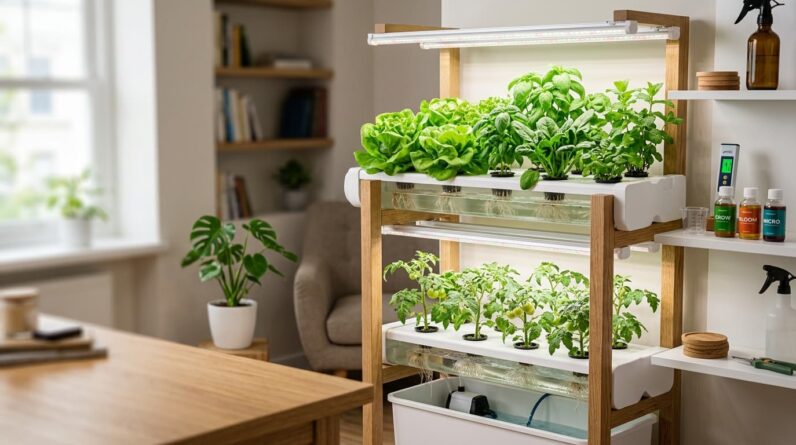
No. A big yard is nice, but it isn’t necessary. Many people grow food successfully in containers, raised beds, balconies, patios, or even sunny windows. What matters more than size is access to enough light, consistent care, and choosing crops that fit your conditions. Recession gardening works best when it is adapted to the space you already have rather than waiting for ideal circumstances.