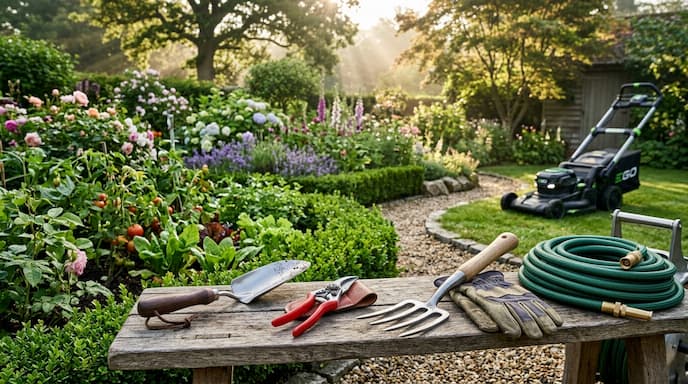
Why Investing in Quality Gardening Tools Matters
Picture this: you head outside on a bright weekend morning, eager to plant flowers or tidy your backyard, only to discover your bargain-bin shovel has bent under pressure or your pruning shears refuse to cut cleanly. Gardening suddenly feels less relaxing and more like a frustrating workout. This is exactly why investing in quality gardening tools matters. Gardening is one of those hobbies where the right equipment changes everything. High-quality tools are not simply accessories sitting in a shed; they become trusted companions that improve efficiency, reduce physical effort, and make outdoor work genuinely enjoyable.
Many gardeners fall into the trap of purchasing cheap tools to save money upfront. At first glance, this feels logical. After all, a lower price tag looks attractive when standing in a store aisle comparing products. Yet inexpensive tools often fail quickly, rust easily, or perform poorly. Instead of cutting branches cleanly, dull blades crush stems and damage plants. Instead of digging effectively, weak handles crack or loosen over time. That small saving begins to feel expensive when replacements pile up year after year.
A premium gardening tool, on the other hand, feels noticeably different in your hands. It offers balance, durability, and precision. Stainless steel resists rust, hardwood or fiberglass handles withstand pressure, and ergonomic designs reduce fatigue. Think of it like cooking with a sharp kitchen knife versus a dull one—the task feels smoother, faster, and oddly satisfying.
Experienced horticulturists often emphasize one simple truth: better tools lead to better gardening outcomes. Clean cuts encourage healthy plant growth, reliable digging tools preserve energy, and efficient watering systems reduce waste. Gardening becomes less about struggling with equipment and more about nurturing plants and enjoying nature.
The Difference Between Cheap and Premium Garden Tools
Not all gardening tools are created equal, even if they appear similar at first glance. A low-cost trowel and a premium stainless-steel trowel may look nearly identical hanging on a display wall, but the experience of using them tells another story entirely. Premium tools typically feature stronger construction materials, improved ergonomics, sharper edges, and carefully engineered balance.
Cheap tools often use thin metal that bends under stress. Handles may feel uncomfortable after extended use or loosen after repeated pressure. Imagine trying to dig compact soil with a flimsy hand fork—it feels like wrestling with a spoon instead of a tool designed for the job. Over time, frustration builds, and gardening loses part of its charm.
Premium gardening tools, by contrast, are designed for endurance and comfort. Brands specializing in horticulture often test tools extensively to ensure long-term reliability. Stainless steel blades resist corrosion, forged metals maintain strength, and cushioned grips reduce wrist strain. According to consumer gardening surveys, durability and comfort rank among the top reasons experienced gardeners upgrade their equipment.
The difference becomes especially obvious in repetitive tasks. Pruning roses for twenty minutes with poor-quality shears may leave hands sore and cuts jagged. Using sharp, ergonomic pruners transforms the same task into something quick and surprisingly enjoyable. The investment pays dividends through reduced effort and healthier plants.
Long-Term Savings and Gardening Efficiency
People often underestimate how much gardening tools influence time and money. Buying premium tools may feel expensive initially, yet repeated replacement costs from low-quality alternatives quietly add up. One sturdy pair of pruning shears lasting ten years often costs less overall than replacing cheaper pairs every season.
Efficiency also deserves attention. Gardening requires energy, and poor tools drain it quickly. Strong shovels move soil faster, sharp pruners cut precisely, and ergonomic handles reduce soreness. Small improvements compound across an entire season of gardening.
Gardeners also save indirectly through healthier plants. Clean cuts from quality pruning shears minimize disease risk, while precise watering equipment reduces overwatering and waste. Think of premium tools as a long-term partnership with your garden—they support productivity, protect your plants, and make every hour outdoors more rewarding.
Essential Hand Tools Every Gardener Should Own
A beautiful garden rarely appears through luck alone. Behind every healthy flower bed, productive vegetable patch, or perfectly shaped shrub sits a collection of dependable hand tools quietly doing the heavy lifting. While flashy gadgets and expensive outdoor equipment often steal attention, seasoned gardeners usually agree on one thing: a handful of reliable essential gardening tools matters more than a shed filled with unnecessary gadgets. Investing in strong, well-designed hand tools creates a smoother gardening experience, reduces physical strain, and makes routine maintenance feel far less exhausting.
Think about gardening as similar to cooking. A talented chef still struggles without a reliable knife or pan, and gardeners face the same reality. Even basic jobs—digging soil, transplanting seedlings, pruning stems, loosening dirt, or removing weeds—depend on tools that can handle repeated use without failing. Cheap alternatives may survive a few weekends, but repeated exposure to moisture, mud, pressure, and sunlight quickly reveals weaknesses. Rust appears, handles loosen, blades dull, and frustration starts replacing enjoyment.
Well-made hand tools feel noticeably different from the first use. Their balance makes movement natural, their materials resist corrosion, and their ergonomic grips reduce soreness after extended work. Gardeners who spend hours outdoors especially notice this difference because repetitive motion can become physically demanding. According to horticultural equipment studies, ergonomic hand tools help reduce wrist and hand fatigue, particularly among older adults or frequent gardeners.
The beauty of investing in hand tools is their longevity. A stainless-steel trowel, forged hand fork, or premium pair of pruning shears can remain functional for years—even decades—with proper maintenance. Instead of constantly replacing broken items, you create a dependable toolkit that grows alongside your gardening skills.
Hand Trowels for Precision Digging and Planting
If gardening had an unofficial MVP, the hand trowel would likely win the award. Small yet incredibly versatile, this tool becomes essential for planting flowers, transplanting herbs, digging shallow holes, removing weeds, and mixing soil amendments. At first glance, a trowel might seem too simple to justify spending extra money on, but its daily usefulness makes quality especially important.
A premium hand trowel feels solid and balanced in your hand. Stainless steel blades resist rust and glide through compacted soil more easily than thinner metals. Some higher-end models include measurement markings along the blade, making planting bulbs and seedlings more precise. Imagine trying to plant spring tulips only to realize inconsistent depths have affected blooming—small design features suddenly become valuable.
The handle matters just as much as the blade. Ergonomic grips reduce strain and provide better leverage, especially when digging into stubborn clay or rocky soil. Cheap plastic handles often crack or become uncomfortable after repeated use. By contrast, hardwood or reinforced composite handles typically last longer and feel more stable under pressure.
Gardeners often underestimate how frequently they reach for a trowel. During planting season, it becomes almost an extension of your hand. Because of that constant use, investing in durability pays off quickly. A sturdy trowel transforms repetitive digging into a smoother, faster, and less frustrating experience.
Pruning Shears That Make Maintenance Easier
Healthy gardens require regular trimming, and few tools influence plant health more directly than pruning shears. Whether cutting dead stems, shaping shrubs, harvesting vegetables, or maintaining roses, sharp and reliable pruners dramatically affect gardening results. A clean cut encourages healthy healing, while dull blades can crush stems and leave plants vulnerable to disease.
The difference between poor and premium pruning shears feels almost immediate. Cheap pruners often stick, dull quickly, or require excessive force. Your hands tire faster, cuts become uneven, and gardening begins to feel unnecessarily difficult. Premium models, particularly bypass pruners, cut cleanly with minimal effort and maintain sharpness longer.
Experts often recommend forged steel blades because they hold edges better and withstand frequent sharpening. Many professional-grade pruners also feature replaceable parts, meaning worn springs or blades can be repaired instead of replacing the entire tool. That detail alone makes premium shears a smarter long-term investment.
Comfort matters more than many gardeners realize. Repetitive squeezing during pruning can strain fingers and wrists, especially for gardeners spending multiple hours outdoors. Cushioned handles, ergonomic grip angles, and smooth spring mechanisms reduce fatigue significantly. It is similar to driving a car with supportive seats versus rigid ones—small comfort upgrades become major advantages over time.
According to several gardening product studies, pruning shears rank among the most frequently used hand tools. Since plant maintenance occurs year-round, investing in dependable pruners quickly proves worthwhile for both efficiency and plant health.
Garden Forks and Cultivators for Healthy Soil
Healthy plants start below the surface, which makes garden forks and cultivators surprisingly valuable investments. While flowers and vegetables often steal attention, soil health quietly determines whether plants thrive or struggle. Garden forks loosen compacted earth, mix compost, aerate soil, and prepare planting beds, while cultivators help break up crusted surfaces and remove weeds.
Many beginner gardeners underestimate soil preparation because it lacks the excitement of planting. Yet poor soil structure limits water absorption, nutrient movement, and root growth. Think of soil like the foundation of a house—without strength and stability underneath, everything above suffers. Premium digging forks and cultivators simplify this foundational work considerably.
Strong garden forks typically feature forged steel tines that resist bending, even when working in rocky or clay-heavy conditions. Cheap models often bend after repeated force, turning simple digging into exhausting labor. High-quality forks maintain shape, penetrate deeper, and improve leverage.
Cultivators deserve attention too. Lightweight but durable cultivators loosen soil around plants without disturbing root systems. Their claw-like design improves oxygen circulation and reduces compaction, which helps plants absorb nutrients more efficiently. Ergonomic handles also matter because soil cultivation often requires repetitive movement.
Gardeners who invest in reliable soil tools often notice a surprising benefit: gardening becomes physically easier. Digging, loosening, and preparing beds require less effort, leaving more energy for enjoyable tasks like planting or harvesting. Over time, stronger tools create healthier soil, healthier plants, and a far more enjoyable gardening routine.
Power Tools That Save Time and Energy
Gardening can feel wonderfully meditative, but there are moments when manual effort starts resembling an endurance sport. Large lawns, thick weeds, overgrown edges, and mountains of fallen leaves can quickly transform peaceful outdoor time into exhausting labor. This is where gardening power tools worth the investment begin to shine. While hand tools provide precision, power tools deliver speed, consistency, and energy savings that become invaluable for larger properties or demanding maintenance routines.
The idea of investing heavily in powered equipment sometimes feels intimidating because prices can climb quickly. Yet time matters, especially when routine yard maintenance repeats week after week. A reliable lawn mower, quality string trimmer, or efficient leaf blower turns chores that once took hours into manageable tasks. Instead of spending an entire weekend fighting yard growth, gardeners reclaim valuable time to actually enjoy outdoor spaces.
Power tools also reduce physical strain significantly. Repetitive bending, pushing, trimming, and lifting can place stress on shoulders, knees, and backs. Modern equipment increasingly prioritizes ergonomic design, quieter motors, reduced vibration, and battery efficiency, making outdoor work more comfortable than older gas-powered alternatives.
Another overlooked benefit involves consistency. Clean lawn edges, evenly cut grass, and efficient cleanup improve curb appeal while promoting healthier landscapes. Like a barber using sharp clippers instead of scissors for every haircut, power tools provide smoother, more uniform results. Investing wisely here often means balancing durability, battery life, ease of maintenance, and overall performance rather than simply chasing the lowest price.
Lawn Mowers Worth Paying More For
Few gardening tools spark debate quite like the lawn mower. Some homeowners treat mowing as a simple chore and purchase the cheapest option available, while others quickly realize that a poorly built mower turns weekly lawn care into an exercise in frustration. When lawns become uneven, engines struggle, batteries fail prematurely, or blades tear rather than cut grass, the hidden cost of cheap equipment starts revealing itself. A quality mower may require a larger upfront investment, but for many gardeners and homeowners, the difference in performance, reliability, and long-term convenience becomes obvious after only a few uses.
A premium lawn mower does more than shorten grass. It contributes directly to lawn health. Sharp, durable blades create cleaner cuts that reduce stress on grass and minimize browning at the tips. Torn grass blades, often caused by dull or weak cutting systems, leave lawns looking ragged and can increase vulnerability to pests or disease. Healthy lawns often begin with cleaner cuts, and mower quality plays a larger role than people expect.
Battery-powered models have gained significant popularity in recent years, largely because they offer quieter operation, lower maintenance needs, and zero gasoline handling. High-end cordless mowers often include interchangeable batteries, smart power management, adjustable cutting heights, and mulching functions that recycle nutrients back into the soil. According to industry reports from landscaping organizations, battery mower adoption has steadily increased because of convenience and environmental concerns, especially among suburban homeowners.
Comfort also deserves attention. Lightweight maneuverability, ergonomic handles, self-propelled functions, and reduced vibration matter during long mowing sessions. Imagine pushing a stubborn cart uphill every week versus gliding smoothly through the yard—the experience changes dramatically. Investing in a durable mower means spending less time fighting equipment and more time enjoying a clean, healthy lawn.
Leaf Blowers and String Trimmers for Easy Yard Care
Gardens rarely stay neat on their own. Leaves scatter across walkways, grass creeps into flower beds, and weeds emerge in awkward corners impossible to reach with larger tools. This is exactly where leaf blowers and string trimmers earn their place among gardening tools worth serious consideration. Although some gardeners initially view them as optional luxuries, consistent yard maintenance becomes far easier with dependable equipment designed for repetitive cleanup.
String trimmers—often called weed eaters—excel at precision work. Lawn mowers struggle near fences, pathways, trees, and garden borders, leaving untidy edges behind. A reliable trimmer creates crisp lines and polished landscaping that instantly improves appearance. Cheap models often suffer from weak power, tangled cords, poor battery life, or uncomfortable handling, turning quick trimming into an irritating task. Better models offer adjustable shafts, improved balance, and stronger motors capable of handling thicker growth.
Leaf blowers spark similar discussions. While a rake certainly works, removing heavy leaf coverage manually becomes physically demanding and time-consuming, especially in larger gardens. Battery-powered leaf blowers increasingly dominate because they combine portability with quieter operation and lower maintenance compared to gas alternatives. Many premium options now include variable airflow speeds, allowing gardeners to remove debris without damaging delicate flower beds.
Think about yard cleanup like sweeping an entire warehouse floor with a tiny hand broom—it technically works, but efficiency matters. Good tools eliminate unnecessary effort. Instead of spending hours dragging piles of debris or manually edging borders, gardeners can maintain a tidy space in far less time.
Well-kept outdoor spaces also improve usability. A clean path feels inviting, trimmed edges create visual order, and tidy lawns encourage more time outdoors. Reliable maintenance tools help create a garden environment that feels intentional rather than overwhelming.
Watering Equipment That Improves Plant Health
Water feels simple on the surface—plants need it, so gardeners water them. Yet anyone who has cared for plants long enough quickly discovers that watering is surprisingly nuanced. Too much water suffocates roots, too little weakens growth, and inconsistent watering leaves plants stressed and vulnerable. This reality explains why watering equipment worth investing in can dramatically influence garden success. Reliable hoses, irrigation systems, and watering accessories often improve efficiency, conserve water, and support healthier plants simultaneously.
Many beginner gardeners underestimate how much time watering consumes. Carrying heavy watering cans, wrestling tangled hoses, or dragging leaking equipment across the yard quickly becomes exhausting. Cheap hoses crack, kink, leak, and wear out under sunlight exposure. Weak connectors drip water constantly, quietly wasting resources and patience. Over an entire growing season, those frustrations add up.
Better watering equipment transforms routine care into something smoother and far more predictable. A durable hose delivers steady pressure, smart irrigation systems maintain consistency during hot weather, and efficient nozzles target water precisely where needed. Instead of treating watering like a rushed chore, gardeners gain control over one of the most important variables affecting plant health.
Plants thrive on consistency. Imagine following a chaotic eating schedule where meals appear randomly throughout the week—energy and health would suffer. Plants experience something similar when watering habits fluctuate dramatically. Reliable tools help establish stable routines that encourage stronger roots, healthier foliage, and more productive gardens.
According to environmental agencies and gardening studies, drip irrigation and targeted watering systems may significantly reduce water waste compared to traditional overhead methods. That means investing in better watering equipment often saves money while improving sustainability—a rare win-win scenario for gardeners focused on long-term results.
Durable Garden Hoses and Hose Reels
A dependable garden hose may not sound exciting, but few tools influence everyday gardening convenience more consistently. Watering flowers, rinsing soil, cleaning patios, washing equipment, and maintaining lawns all depend on reliable access to water. Yet flimsy hoses frequently become one of gardening’s most annoying pain points. They kink at the worst moments, crack in heat, leak at connectors, or twist into impossible knots that somehow seem alive.
Investing in a quality hose immediately reduces those frustrations. Reinforced rubber or hybrid polymer hoses tend to resist splitting, maintain flexibility, and survive temperature extremes far better than budget alternatives. Lightweight expandable hoses appeal to gardeners seeking portability, while heavy-duty models withstand years of intensive outdoor use.
Length matters too. A hose that barely reaches the garden creates inconvenience, while excessively long hoses become difficult to manage. Selecting appropriate length based on garden size improves efficiency and reduces unnecessary dragging across flower beds.
Hose reels often deserve equal attention. Tangled hoses waste time and shorten lifespan because repeated twisting creates weak points. A quality hose reel protects the hose, improves organization, and makes storage surprisingly effortless. Retractable reels, in particular, save time and reduce clutter while protecting materials from harsh weather.
Think of a good hose system like reliable plumbing in a home—you barely notice it when everything works smoothly, but problems become immediately frustrating when reliability disappears. Because watering happens so frequently, even small improvements in convenience create meaningful long-term value for gardeners.
Smart Irrigation Systems for Modern Gardening
Technology has quietly transformed gardening, and smart irrigation systems represent one of the clearest examples of innovation improving everyday plant care. These systems remove much of the guesswork surrounding watering by delivering precise amounts of moisture according to schedules, weather patterns, or soil conditions.
Traditional watering habits often depend on memory, routine, or guesswork. A gardener waters heavily one week, forgets the next, and overcompensates during a heatwave. Plants respond unpredictably because consistency disappears. Smart irrigation solves this problem by introducing structure. Timers, moisture sensors, weather-based automation, and smartphone controls help maintain stable hydration patterns.
Drip irrigation systems particularly stand out for efficiency. Instead of spraying water broadly across leaves and pathways, drip lines deliver moisture directly to plant roots where it matters most. This targeted method often reduces evaporation and limits weed growth because surrounding soil stays drier. Environmental studies frequently highlight drip irrigation as one of the more water-efficient methods available for residential gardening.
Convenience plays a major role too. Imagine leaving for vacation during peak summer temperatures without worrying whether your tomatoes or flower beds will survive. Automated irrigation creates peace of mind while protecting plant health.
Modern systems range widely in complexity. Some gardeners install basic programmable timers, while others adopt weather-responsive smart controllers connected to mobile apps. Regardless of scale, the goal stays the same: healthier plants with less wasted effort.
A thoughtfully designed irrigation setup feels similar to having a quiet assistant managing one of gardening’s most repetitive responsibilities. Instead of stressing about watering schedules, gardeners gain time to focus on planting, pruning, harvesting, and simply enjoying the outdoor space they have worked hard to build.
Protective and Comfort-Focused Gardening Gear
Gardening often gets romanticized as a calm hobby filled with sunshine, blooming flowers, and peaceful afternoons outdoors. Reality tends to include scratched hands, aching knees, sore backs, sun exposure, and dirt in places no one expected. This is exactly why protective gardening gear worth the investment deserves more attention than it usually gets. While many people prioritize digging tools or expensive equipment, comfort-focused gear quietly determines how long, safely, and comfortably someone can garden without discomfort taking over.
Think about gardening as similar to hiking. A beautiful trail becomes miserable if shoes hurt, clothing restricts movement, or every step causes discomfort. The same logic applies outdoors in the garden. Protective gear does not remove hard work, but it makes repetitive movement more manageable while lowering the risk of injuries and strain. Small upgrades often have surprisingly large effects.
Repeated kneeling on compacted soil, for example, puts pressure on joints and can discourage long gardening sessions. Constant gripping causes hand fatigue, while thorny plants and rough materials increase the risk of cuts and blisters. Exposure to heat and sunlight adds another layer of physical stress. Without the right support, gardening shifts from rewarding to exhausting faster than expected.
Experienced gardeners frequently invest in durable gloves, supportive knee pads, breathable clothing, and ergonomic accessories because comfort compounds over time. Spending three hours outdoors feels very different when joints remain supported and hands stay protected. Gardening becomes sustainable rather than physically draining.
Comfort-focused gear also protects consistency. People are naturally more likely to maintain a hobby when the experience feels enjoyable rather than painful. If sore knees or blistered palms constantly interrupt progress, enthusiasm fades. Reliable protective gear helps preserve both physical comfort and long-term enjoyment.
Gloves, Knee Pads, and Gardening Aprons
Among all comfort-focused gardening purchases, gloves, knee pads, and gardening aprons rank among the smartest investments because they solve problems gardeners face repeatedly. While inexpensive versions exist everywhere, premium designs often provide dramatically better durability, comfort, and protection.
Gardening gloves seem simple until poor ones fail. Thin fabric tears quickly, moisture seeps inside, thorns poke through, and hands end up scratched or blistered. High-quality gloves use reinforced fingertips, breathable fabrics, water resistance, and stronger stitching to survive demanding tasks. Specialized gloves even exist for pruning thorny roses, handling wet soil, or improving dexterity during delicate planting work.
Comfort matters beyond protection. Repeated gripping of tools causes friction and strain over time. Well-padded gloves improve grip while reducing hand fatigue, particularly during repetitive jobs like pruning or digging. According to ergonomics research, reducing repetitive stress in hands can significantly improve endurance during manual tasks.
Knee pads often become a surprising favorite among frequent gardeners. Planting seedlings, weeding flower beds, and harvesting vegetables require extended kneeling, which quickly becomes uncomfortable on compacted soil or gravel. Premium knee pads provide cushioning, distribute pressure evenly, and support joints during long sessions. Some gardeners prefer kneeling benches that double as portable seats, combining convenience with comfort.
Gardening aprons deserve more credit than they receive. Equipped with pockets for tools, gloves, seeds, and pruners, they improve efficiency by reducing constant trips back to the shed. Imagine cooking without pockets for utensils or ingredients—it slows everything down. A durable gardening apron creates similar convenience while protecting clothing from dirt and wear.
Ergonomic Tools for Reducing Physical Strain
Gardening should challenge muscles—not punish joints. This distinction explains why ergonomic gardening tools have become increasingly popular among beginners, older gardeners, and anyone managing physical strain. Good ergonomic design focuses on reducing unnecessary pressure during repetitive movement, improving posture, and minimizing fatigue.
Many gardening tasks repeat the same motions again and again: squeezing pruners, lifting soil, twisting wrists, bending down, or gripping handles tightly. Poorly designed tools magnify stress, particularly in wrists, shoulders, knees, and lower backs. Over time, discomfort accumulates. A hobby intended to relax instead becomes physically taxing.
Ergonomic tools address these challenges thoughtfully. Curved handles improve wrist positioning, soft grips reduce pressure points, and lightweight materials lower strain during extended use. Long-handled weeders and cultivators reduce bending, while rotating grips support more natural hand movement.
Imagine writing with a pen that digs painfully into your fingers versus one designed for comfort. The task stays the same, but the experience changes dramatically. Gardening tools work similarly. Small improvements in grip angle or balance significantly reduce fatigue during repetitive tasks.
Research in occupational ergonomics consistently highlights the role of tool design in preventing repetitive strain injuries. Gardening, despite feeling leisurely, involves repetitive manual labor that benefits greatly from supportive equipment.
Older gardeners especially appreciate ergonomic improvements because they extend physical independence and enjoyment. Yet younger gardeners benefit too, particularly during long seasonal projects. Investing in comfort-focused design ultimately preserves energy for enjoyable parts of gardening instead of wasting effort managing discomfort.
Storage and Maintenance Tools That Protect Your Investment
A premium gardening tool loses value quickly if neglected. Rust creeps onto blades, sharp edges dull, handles weaken, and expensive equipment wears out faster than expected. This reality explains why tool storage and maintenance equipment deserves recognition as part of any worthwhile gardening investment strategy. Buying quality tools matters, but protecting those purchases matters equally.
Imagine purchasing a high-end bicycle and leaving it outdoors year-round without cleaning or maintenance. Eventually performance suffers, appearance declines, and expensive repairs become unavoidable. Gardening tools follow the same pattern. Exposure to moisture, dirt, fertilizer, and changing weather quietly damages neglected equipment over time.
Good storage systems solve several problems at once. Organized tools stay protected, easier to access, and less likely to disappear into forgotten corners of sheds or garages. Maintenance tools, meanwhile, preserve sharpness and structural integrity, ensuring equipment performs reliably season after season.
The overlooked benefit here is efficiency. A gardener who knows exactly where tools live wastes less time searching and spends more time gardening. Clean, sharpened equipment also improves results because tools function as intended instead of fighting against the user.
Treating gardening equipment like an investment rather than disposable gear changes habits. Instead of replacing tools repeatedly, gardeners preserve and extend their usefulness for years. That shift often saves money while improving the gardening experience substantially.
Tool Organizers and Storage Solutions
Messy tool storage quietly creates unnecessary frustration. A missing trowel, tangled hose, or rusted shovel hidden beneath clutter turns even simple gardening jobs into scavenger hunts. Investing in thoughtful tool organizers and storage systems solves this surprisingly common problem while extending equipment lifespan.
Wall-mounted racks, pegboards, cabinets, rolling carts, and storage benches all serve different purposes depending on available space. Vertical storage often works especially well because it protects tools from moisture while keeping them visible and easy to grab. Hanging long-handled tools prevents warping and minimizes clutter.
Sheds benefit greatly from structured organization. Grouping equipment by task—digging tools together, watering tools nearby, pruning tools stored safely—creates smoother workflows. Think about a chef’s kitchen where every utensil has a place. Efficiency improves simply because searching disappears.
Weather protection also matters. Leaving metal tools exposed outdoors accelerates rust and handle deterioration. Dry, covered storage extends lifespan dramatically. Some premium tool cabinets even offer humidity control or lockable compartments for power equipment and chemicals.
Portability becomes valuable for larger gardens. Rolling carts or bucket organizers reduce repeated walking while carrying tools between planting areas. Small conveniences become meaningful during longer gardening sessions.
Organization may seem secondary compared to buying tools themselves, but gardeners often notice immediate improvements once storage becomes intentional. Less clutter, faster access, and better preservation all contribute to a more enjoyable outdoor routine.
Sharpening and Cleaning Equipment
Sharp tools are safer, faster, and healthier for plants. Yet sharpening often gets ignored until tools perform poorly. Investing in tool sharpening and cleaning equipment helps preserve efficiency while protecting expensive gardening gear from premature wear.
Pruning shears offer a perfect example. Dull blades crush stems instead of cutting cleanly, increasing disease risk and slowing healing. Sharp edges create smoother cuts that plants recover from more effectively. The same principle applies to lawn mower blades, hoes, spades, and garden knives.
Basic maintenance tools include sharpening stones, metal files, lubricating oil, wire brushes, rust removers, and cleaning cloths. These inexpensive additions significantly extend equipment lifespan. After gardening sessions, removing soil and moisture prevents corrosion from settling in unnoticed.
Cleaning routines need not become complicated. Wiping tools dry, oiling metal surfaces occasionally, and sharpening blades regularly often takes only minutes but prevents expensive replacements later. Think of it like brushing teeth—small consistent maintenance avoids larger problems down the road.
Experts frequently recommend sharpening pruners and mower blades at least seasonally depending on frequency of use. Lawn mower manufacturers especially emphasize blade maintenance because dull cuts weaken grass health.
Well-maintained tools also feel more satisfying to use. Digging becomes smoother, pruning easier, and overall effort decreases. Instead of wrestling with neglected equipment, gardeners work with tools operating near peak performance.
How to Choose Gardening Tools That Last
Walking through a garden center can feel strangely overwhelming. Rows of shiny shovels, sleek pruners, colorful gloves, hoses promising miracle durability, and shelves full of gadgets all compete for attention. Marketing language makes everything sound revolutionary, yet not every expensive tool deserves the label of “investment.” Knowing how to choose gardening tools that last becomes the difference between building a reliable toolkit and collecting disappointment.
A useful way to think about tool shopping is to imagine building a long-term relationship rather than making a quick purchase. Gardening tools often experience moisture, pressure, sunlight, dirt, and repeated stress. A poor purchase reveals weaknesses quickly, while dependable equipment quietly earns trust over years of use. Longevity depends on materials, design, comfort, repairability, and how well a tool fits the gardener’s specific needs.
One mistake many beginners make is buying tools based purely on price. Cheap tools often disappoint, but expensive tools are not automatically better either. Marketing sometimes inflates value without meaningful performance improvements. The smartest buyers evaluate durability, comfort, warranty support, and construction quality rather than chasing either extreme.
Testing tools physically—when possible—helps tremendously. Weight balance, grip comfort, and overall feel matter more than product descriptions suggest. A pruner that feels awkward in your hand or a shovel that strains your wrist will likely sit unused no matter how highly rated it appears online.
Gardening style also matters. A balcony gardener growing herbs has different priorities than someone maintaining fruit trees and a large vegetable plot. Investing strategically means buying tools that support real gardening habits rather than imagined ambitions. Reliable essentials nearly always outperform unnecessary gadgets collecting dust in storage.
Materials, Build Quality, and Brand Reputation
When evaluating gardening equipment, materials and construction quality often reveal more about durability than flashy packaging ever could. Strong materials directly influence lifespan, comfort, and performance, making them one of the smartest things to evaluate before spending money.
Metal components deserve close inspection first. Stainless steel remains one of the best choices for hand tools because it resists rust, cleans easily, and maintains structural integrity through years of exposure. Carbon steel offers exceptional strength and sharpness but usually requires slightly more maintenance to prevent corrosion. Thin stamped metal often signals lower durability, particularly on digging tools expected to handle heavy soil.
Handles matter equally. Hardwood handles, fiberglass composites, and reinforced polymers generally outlast brittle plastic while providing better grip stability. Cheap plastic may reduce weight and cost but often cracks under pressure or degrades after sun exposure. Ergonomic shaping becomes especially valuable for tools used repeatedly during long gardening sessions.
Repairability deserves more attention than most buyers realize. Some premium pruning shears allow blade replacement, spring replacement, or disassembly for sharpening. This feature dramatically extends lifespan compared with disposable designs. A repairable tool behaves more like quality furniture or appliances—it ages gracefully rather than becoming waste.
Brand reputation also provides useful clues, though not guarantees. Established gardening brands often invest more in material testing, product refinement, and warranty support. Reading reviews from long-term users reveals practical insights unavailable in advertisements. Consistent praise for comfort, durability, and reliability often matters more than promotional language.
Professional gardeners frequently favor brands that survive years of heavy use because performance matters daily. While home gardeners may not require industrial-grade equipment, borrowing lessons from professionals often leads to smarter purchases.
Budget vs Premium: Finding the Sweet Spot
The question eventually arrives for every gardener: should you spend more or save money? Understanding the balance between budget and premium gardening tools helps avoid overspending while still building a dependable setup.
Not every gardening item requires luxury-level investment. Some tools experience daily wear and deserve higher spending, while occasional-use accessories may function perfectly well at moderate prices. Prioritization matters more than buying everything premium.
A simple framework helps:
| Tool Category | Worth Premium Investment? | Why |
|---|---|---|
| Pruning Shears | Yes | Frequent use, precision cutting, durability |
| Hand Trowel | Yes | Daily gardening essential |
| Garden Gloves | Moderate | Comfort matters, but premium isn’t always necessary |
| Hose Reel | Moderate to High | Saves frustration and extends hose life |
| Lawn Mower | Yes | Long-term performance and efficiency |
| Decorative Accessories | No | Function matters less than appearance |
The “sweet spot” often sits between bargain-bin tools and luxury prestige products. Mid-to-high-range tools usually provide stronger materials, better ergonomics, and longer warranties without excessive pricing.
Think about cost per use instead of purchase price alone. A $70 pair of pruners lasting ten years often proves cheaper than replacing $15 shears every season. This mindset reframes gardening purchases from expenses into long-term value decisions.
There is also emotional value worth acknowledging. Gardening becomes more enjoyable when equipment feels dependable. Reliable tools remove friction, making outdoor work smoother and more satisfying. Instead of dreading maintenance, gardeners spend more energy enjoying planting, harvesting, and caring for outdoor spaces.
Conclusion
The best gardening tools worth the investment share a common trait: they make gardening easier, healthier, and more enjoyable over time. While flashy gadgets often dominate advertisements, dependable essentials—sharp pruners, sturdy trowels, ergonomic hand tools, reliable watering systems, quality storage solutions, and efficient power equipment—deliver lasting benefits where it matters most.
Gardening asks a lot from tools. They endure wet soil, changing weather, repeated force, and countless hours of use. Choosing durability over disposable convenience reduces frustration while improving efficiency and plant health. Clean pruning cuts encourage stronger growth, ergonomic tools reduce physical strain, and dependable watering systems improve consistency.
Investing wisely does not mean buying the most expensive option available. It means choosing tools designed to last, tools that match gardening habits, and equipment that improves both comfort and results. The goal is not simply owning better gear—it is creating a smoother relationship with gardening itself.
Over time, trusted tools become familiar companions. The shovel that prepared spring beds, the pruners that shaped favorite roses, or the hose that watered tomatoes through summer heat quietly become part of the gardening story. Good tools rarely demand attention; they simply work, season after season, helping gardens thrive.
FAQs
1. What gardening tools are worth spending more money on?
The best tools to invest in include pruning shears, hand trowels, garden forks, lawn mowers, durable hoses, and ergonomic tools because they experience frequent use and directly affect gardening efficiency and comfort. Spending more on high-use essentials usually saves money through durability.
2. Are expensive gardening tools always better?
Not necessarily. Higher prices do not automatically guarantee better quality. Look for strong materials, ergonomic comfort, replaceable parts, positive reviews, and reliable warranties instead of relying solely on cost.
3. How long should quality gardening tools last?
Well-maintained premium gardening tools can last many years and sometimes decades. Stainless steel tools, forged pruners, and quality lawn equipment often remain functional with regular cleaning, sharpening, and proper storage.
4. What is the most important gardening tool for beginners?
A strong hand trowel often becomes the most-used beginner tool because it supports planting, digging, transplanting, and light soil work. Pairing it with gloves and pruning shears creates a strong starter toolkit.
5. How can I make gardening tools last longer?
Clean tools after use, dry metal surfaces, sharpen blades regularly, oil moving parts, and store equipment in a dry location. Proper maintenance dramatically extends lifespan and improves performance.