Why Grocery Prices Keep Rising
Inflation and Supply Chain Challenges
If you have been to the grocery store lately, you have probably felt that quiet sting at checkout. The same items you used to toss into your cart without much thought now seem noticeably more expensive. That is not just your imagination. Grocery prices have been rising steadily, and the reasons behind that increase are bigger than any single store or product. The cost of food is tied to a long chain of expenses, and when pressure builds anywhere along that chain, shoppers feel it almost immediately.
Inflation is one of the biggest forces driving those increases. When fuel costs rise, transporting food becomes more expensive. When labor costs go up, farms, processing facilities, and retailers all face higher expenses. Packaging costs, fertilizer prices, and equipment maintenance can also climb at the same time. Like a row of dominoes, one increase leads to another until the final bill lands in front of the consumer. Even basic staples begin to feel less basic when every part of the system becomes more expensive to operate.
Supply chain problems add another layer of instability. Food does not appear on shelves by magic. It depends on farmers, trucks, warehouses, workers, weather, and timing all lining up properly. When one part gets disrupted, whether by labor shortages, transportation delays, extreme weather, or geopolitical issues, supply tightens and prices usually rise. That is why grocery shopping can feel so unpredictable now. One week eggs are affordable, the next week they are suddenly expensive. Fresh produce can swing in price depending on season, shipping conditions, and availability. This unpredictability is exactly why more people are starting to look at growing their own food not just as a hobby, but as a smart way to fight back against rising grocery costs.
The Impact on Everyday Households
When grocery prices rise, the effects show up far beyond the receipt. Households begin adjusting in small but meaningful ways. Maybe you skip certain fruits because they cost too much that week. Maybe fresh herbs stop feeling worth it, or you choose packaged foods over better ingredients because they stretch a little further. These decisions may seem minor in the moment, but over time they change the way people shop, cook, and eat. What should be an ordinary routine starts to feel like a constant budgeting exercise.
For larger families, the pressure can feel even more intense. Feeding multiple people means every price increase gets multiplied across breakfasts, lunches, dinners, and snacks. Suddenly meal planning becomes a form of defense. People start watching sales more closely, comparing brands more carefully, and relying on coupons or bulk buying just to stay on track. Eating out becomes less casual. Trying new ingredients feels riskier. Food choices become more about what is affordable than what is fresh, nutritious, or enjoyable.
There is also a mental and emotional side to it. Constantly worrying about food costs can create stress that lingers in the background of daily life. Something as basic as feeding yourself or your family should not feel uncertain, yet for many households it increasingly does. That is where home gardening begins to look especially appealing. Even a small garden creates a little breathing room. It offers a way to take back some control instead of reacting to every market shift. You may still rely on the grocery store, but you are no longer depending on it for every tomato, every herb, or every leafy green. In times when food prices feel unstable, that kind of partial independence can be incredibly valuable.
Why Growing Your Own Food Makes Sense
Cost Savings Over Time
At first, starting a food garden can seem like an odd way to save money. You may need to buy soil, seeds, containers, compost, or a few basic tools, so it does not immediately feel cheaper than just picking up produce at the store. But that first impression misses the bigger picture. Growing your own food is an investment, and like many good investments, it becomes more rewarding over time. Once the basic setup is in place, the ongoing cost of producing certain foods drops dramatically.
Think about the kinds of produce people buy again and again. Tomatoes, peppers, lettuce, spinach, green onions, cucumbers, and herbs are common purchases, and they can add up quickly across a month. Fresh herbs are a perfect example. Grocery stores often charge several dollars for a small bunch of basil, parsley, or cilantro, only for part of it to wilt in the fridge before it gets used. A few healthy herb plants, on the other hand, can produce over and over again with very little cost after setup. Tomatoes and lettuce can also offer surprisingly high returns, especially during peak season when plants are producing steadily.
| Item | Store Cost (Monthly) | Homegrown Cost (After Setup) |
|---|---|---|
| Fresh herbs | $10–$20 | Very low |
| Tomatoes | $15–$30 | Minimal |
| Lettuce | $10–$15 | Minimal |
There is another form of savings that often gets overlooked: reduced waste. When food comes from your own garden, you harvest only what you need. You are less likely to throw away half-used produce because it stayed fresher on the plant until you were ready for it. Over time, that matters. Gardening may not erase your grocery bill, but it steadily chips away at it, especially if you focus on high-use crops. Year after year, the math gets better, and what started as a small project can become a reliable source of real household savings.
Better Quality and Freshness
Saving money is one reason people start growing food, but the quality is often what keeps them doing it. There is a huge difference between produce that was picked early, transported long distances, and stored on shelves, and produce that was harvested minutes before it landed on your plate. Grocery store fruits and vegetables are often chosen for durability rather than flavor. They need to survive shipping, stocking, and time in the refrigerator. That often means they are harvested before they are fully ripe, which affects both taste and texture.
Homegrown food changes that completely. A tomato picked at full ripeness from your own plant tastes richer, sweeter, and more vibrant than many store-bought versions ever do. Lettuce feels crisper. Herbs smell stronger. Strawberries, peppers, and cucumbers often have a freshness that makes store produce seem strangely flat by comparison. It is like the difference between hearing live music and listening through a phone speaker. The basic thing is the same, but the experience is much fuller.
There is also peace of mind in knowing exactly how your food was grown. You decide what goes into the soil, how the plants are treated, and whether you want to use organic methods or simple homemade compost. That level of control matters to many people, especially those trying to eat cleaner or avoid unnecessary chemicals. It can also change the way you cook and eat. When fresh ingredients are within reach, you are more likely to use them. Meals start revolving around what is vibrant and available rather than what happened to be cheapest in the produce aisle. In that sense, growing your own food improves not just freshness, but your whole relationship with what you eat.
Getting Started with Home Gardening
Choosing the Right Space
One of the biggest myths about food gardening is that you need a large backyard to make it work. That idea stops a lot of people before they even begin. The truth is far more encouraging. You can grow food in all kinds of spaces, including patios, balconies, porches, windowsills, and even bright indoor corners with the right setup. The key is not how much space you have. It is how well you use the space you do have.
The first thing to pay attention to is sunlight. Most food-producing plants need around six to eight hours of direct sunlight a day, especially vegetables like tomatoes, peppers, and cucumbers. Leafy greens and herbs can often manage with a bit less, which makes them ideal for smaller or partially shaded areas. Before you buy anything, spend a few days observing where the sun falls in your space. That simple habit will tell you more than any gardening label can. A balcony that gets strong morning light may be perfect for herbs and lettuce. A sunny backyard corner may be ideal for raised beds or larger containers.
| Space Type | Best Gardening Method |
|---|---|
| Backyard | Raised beds or in-ground planting |
| Balcony | Containers or vertical gardening |
| Patio | Pots and planters |
| Indoors | Windowsill gardening or grow lights |
Starting small is often the smartest move. A few containers of herbs, tomatoes, or salad greens can teach you a lot without overwhelming you. The goal is not to build the perfect garden on day one. The goal is to create a practical growing space that fits your life. Once you see what works, it becomes much easier to expand. Gardening is not about having a magazine-worthy backyard. It is about using whatever space you have to produce food in a way that feels realistic and rewarding.
Essential Tools and Supplies
Getting started with home gardening does not require a giant shopping trip. That can be a relief, because one of the easiest ways to get discouraged is to assume you need every tool and accessory in the garden center. In reality, the basics are simple. You need a place to grow, something to grow in, something to grow, and a way to keep it watered. Everything else can be added later if you find it useful.
Good soil matters more than fancy tools. Healthy soil is the foundation of a productive garden, especially for beginners. If you are growing in containers, use a quality potting mix rather than scooping dirt from the yard. Potting mix is lighter, drains properly, and helps roots develop well. Compost is another great addition because it enriches the soil naturally. For plants, you can choose between seeds and seedlings. Seeds are cheaper and offer more variety, but seedlings are often easier for beginners because they give you a head start.
Your initial tool list can stay very small. A hand trowel, a watering can or hose, pruning scissors, and gloves are usually enough to begin. Containers or garden beds are the final piece, and even those do not have to be expensive if you use what you already have. The beauty of gardening is that it can grow with you. You do not need to build a full setup before planting your first herb or tomato. You just need enough to begin. Once you see those first leaves grow and your first harvest appear, you will have a much better sense of what additions actually matter and which ones were never necessary in the first place.
- Containers, beds, or a small garden plot
- Quality soil or potting mix
- Seeds or starter plants
- Watering can or hose
- Basic hand tools like a trowel and scissors
Best Crops for Beginners
Fast-Growing Vegetables
When you are new to gardening, quick success matters. Waiting months for results can test anyone’s patience, especially if you are still figuring out watering, sunlight, and basic plant care. That is why fast-growing vegetables are such a smart place to start. They reward you quickly, build confidence, and make the whole process feel worthwhile almost right away.
Leafy greens are among the best beginner crops because they grow quickly and do not require much space. Lettuce, spinach, arugula, and baby kale can all produce usable leaves in a relatively short time. Some varieties can even be harvested more than once if you cut the outer leaves and let the center keep growing. Radishes are another satisfying choice because they mature quickly and are one of the fastest ways to experience the thrill of pulling actual food from the soil. Green onions are easy, forgiving, and useful in everyday cooking, which makes them especially rewarding for beginners.
Herbs also deserve a place in this category, even though they are not vegetables in the strictest sense. Basil, cilantro, parsley, and chives can start giving you usable harvests fairly quickly, and they make an outsized difference in cooking. Fast-growing crops are valuable because they shorten the learning curve. They give you feedback sooner. If something is wrong with your setup, you will notice early enough to adjust. And if things go right, that first harvest can be incredibly motivating. Sometimes the biggest step in becoming a gardener is simply seeing that something you planted can truly become food.
High-Yield Crops That Save Money
If your main goal is to beat rising grocery prices, then it makes sense to focus on crops that give you a strong return. Some plants produce a little and then stop. Others keep giving for weeks or even months. These are the stars of a budget-friendly garden. High-yield crops can stretch your gardening effort much further and help you replace a noticeable amount of store-bought produce during the season.
Tomatoes are one of the best examples. A healthy plant can produce a surprising amount of fruit, especially if you choose a productive variety and keep it well-fed and watered. Zucchini is famous for giving gardeners more than they know what to do with. Cucumbers can also be generous, particularly in warm weather. Peppers tend to produce steadily, and herbs like mint, oregano, basil, and parsley often continue growing as long as you keep harvesting them. These are the kinds of crops that make you feel the financial value of gardening because they replace items you would otherwise buy repeatedly.
Choosing high-yield plants is a little like making smart investments. You want crops that match your climate, your cooking habits, and your available space. A giant crop is not very useful if you never eat it. But when you grow the things you actually use often, the value becomes obvious. A few containers of tomatoes, peppers, and herbs can change what ends up in your grocery cart week after week. That is the sweet spot for beginner gardening: crops that are manageable to grow, enjoyable to eat, and productive enough to make a real difference in your food budget.
Gardening on a Budget
Using Recycled Materials
One of the most reassuring things about home gardening is that it does not have to be expensive. It can be if you want it to be. Garden centers are full of polished tools, decorative containers, raised bed kits, and specialty accessories that make gardening look like a high-cost hobby. But that version of gardening is optional. If your goal is to grow food and save money, then using recycled and repurposed materials is one of the smartest ways to begin.
Containers are a perfect example. You do not need matching ceramic pots to grow tomatoes or herbs. Buckets, storage bins, food-grade containers, old tubs, and sturdy plastic bins can all work if you add drainage holes. Wooden pallets can become vertical planters. Scrap wood can be turned into simple raised beds. Egg cartons make useful seed starters, and old yogurt cups or takeout containers can be repurposed for seedlings. Once you start looking at everyday items through a gardening lens, you realize how many useful materials are already around you.
| Garden Need | Expensive Option | Budget Alternative |
|---|---|---|
| Planters | Store-bought pots | Buckets, bins, and reused containers |
| Fertilizer | Commercial products | Homemade compost |
| Trellis | Garden store structures | Reused wood, wire, or branches |
| Seed trays | Plastic nursery trays | Egg cartons or small food containers |
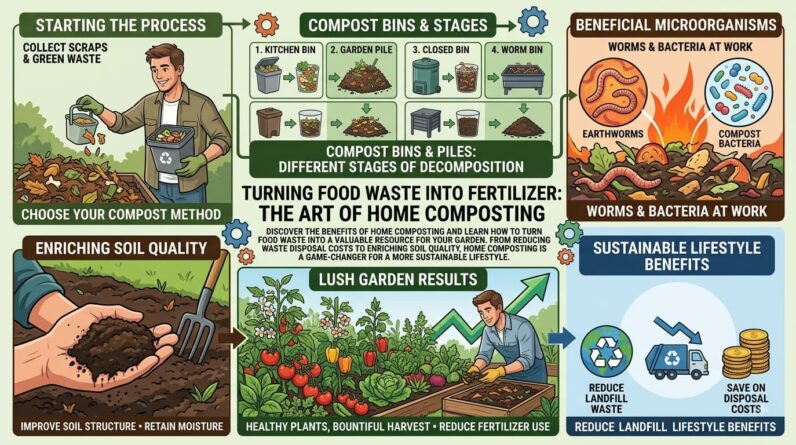
Compost is another major money-saver. Instead of buying expensive fertilizers, you can turn kitchen scraps like vegetable peels, coffee grounds, crushed eggshells, and yard waste into rich organic matter for your garden. That not only saves money but also reduces household waste at the same time. Budget gardening is less about doing without and more about using resources wisely. In a way, it mirrors the whole spirit of growing your own food. You are finding value in what you already have and creating something useful from it.
Saving Seeds and Reducing Costs
If you want your garden to become cheaper every season, learning to save seeds is one of the best habits you can develop. Buying seed packets each year is not terribly expensive on its own, but over time those small purchases add up. Saving seeds changes the equation. It allows you to keep part of each season’s success and roll it forward into the next one, creating a cycle that gets more self-sustaining with every harvest.
Many vegetables make this easy. Tomatoes, peppers, beans, peas, lettuce, and some herbs produce seeds that can be collected and stored with a little patience. The process usually involves allowing a few healthy plants to mature fully, harvesting the seeds, drying them well, and keeping them in a cool, dry place. It is simple enough for beginners, and it creates a satisfying feeling of continuity. Instead of starting over each spring, you are carrying your garden forward.
There is also a practical advantage beyond cost. Seeds saved from plants that did well in your environment may gradually become better adapted to your local conditions. That can mean stronger growth and more reliable harvests over time. Propagation offers another money-saving route. Herbs like mint, basil, and rosemary can often be grown from cuttings, while green onions can regrow from the rooted ends you would normally throw away. These small habits add up. They turn gardening from a seasonal expense into something closer to a renewable system, and that is exactly what makes it such a smart response to rising food prices.
Common Mistakes to Avoid
Overplanting and Poor Planning
One of the easiest mistakes for new gardeners to make is getting too excited too quickly. It starts innocently enough. You imagine fresh tomatoes, peppers, cucumbers, herbs, greens, maybe even strawberries, and suddenly your small project has turned into a giant plan. Enthusiasm is great, but in gardening, too much ambition at the start can backfire. Overplanting often leads to crowded containers, stressed plants, and a gardener who feels overwhelmed instead of inspired.
Plants need space, sunlight, airflow, water, and attention. If you plant too much in one area, everything begins competing for the same limited resources. That can result in weaker growth, more disease problems, and disappointing harvests. Poor planning can create similar issues. If you plant heat-loving crops at the wrong time, ignore mature plant sizes, or choose vegetables that do not fit your climate, you may end up working hard for very little return. It is like trying to juggle too many new habits at once. Instead of feeling productive, you end up exhausted and inconsistent.
The smartest approach is usually the simplest one: start small and grow from experience. Choose a few crops you actually eat often and focus on learning them well. Understand how much sunlight they need, how often they need water, and how large they will become. Success in gardening tends to build on itself. A couple of thriving containers will teach you more than a crowded garden full of struggling plants. When you keep the first season realistic, you give yourself room to learn, adapt, and enjoy the process instead of turning it into a frustrating experiment in doing too much at once.
Ignoring Soil Health
Soil may not be the most exciting part of gardening, but it is one of the most important. You can have strong seeds, great sunlight, and all the enthusiasm in the world, but if the soil is poor, your plants will struggle. This is one of the most common beginner mistakes because people naturally focus on what they can see: leaves, stems, flowers, and fruit. But the hidden foundation underneath is what determines whether those visible parts can really thrive.
Healthy soil does more than hold roots in place. It provides nutrients, supports moisture balance, encourages beneficial organisms, and creates the conditions plants need to grow well. Soil that is too compacted, too dry, too depleted, or poorly draining can lead to weak plants and disappointing yields. That is especially frustrating when you are trying to save money and hoping your garden will offset grocery costs. If the soil is neglected, the return on your effort shrinks fast.
The good news is that caring for soil does not have to be complicated. Adding compost regularly, using quality potting mix in containers, avoiding overuse of harsh chemicals, and rotating crops when possible all help maintain soil health. Think of soil like the engine in a car. You can admire the exterior all you want, but if the engine is weak, the whole system suffers. When you invest in soil, you make every other part of gardening easier. Your plants become stronger, your harvests improve, and your chances of actually saving money through homegrown food rise dramatically.
Long-Term Benefits Beyond Savings
Health and Sustainability
Saving money is often the spark that gets people interested in growing food, but the benefits do not stop at the checkout line. One of the biggest long-term advantages is better health. When fresh produce is right outside your door, on your balcony, or in your kitchen window, it becomes much easier to eat it regularly. You are more likely to toss fresh herbs into meals, pick lettuce for lunch, or use homegrown tomatoes in dinner because they are already there, ready to go. Convenience works in your favor.
There is also a quality difference that matters nutritionally as well as emotionally. Freshly harvested produce often retains more flavor and can encourage healthier cooking habits because it makes simple meals feel more satisfying. A salad made with crisp greens and fragrant herbs from your own garden feels less like an obligation and more like something worth eating. You also gain more transparency. You know what went into the soil, what was sprayed or not sprayed, and how the food was handled from start to finish.
From an environmental perspective, gardening supports sustainability in ways that are easy to underestimate. Growing food at home reduces the need for long transportation chains, excess plastic packaging, cold storage, and large-scale distribution. Composting reduces food waste, and using recycled containers cuts down on unnecessary purchases. Even a small garden lowers your personal food footprint just a little, and those small improvements matter when repeated over time. In that sense, gardening is not only a money-saving practice. It is a way of living that aligns daily habits with healthier food and more sustainable choices.
Building Self-Sufficiency
There is something deeply satisfying about walking outside and picking food you grew yourself. It taps into a sense of capability that modern life does not always provide. Most people are used to being consumers first. We buy what we need, rely on outside systems, and hope those systems remain affordable and stable. Gardening shifts that pattern, even if only a little. It gives you a direct role in producing part of your own food, and that can feel surprisingly empowering.
Self-sufficiency does not mean becoming completely independent from grocery stores. For most people, that is not the goal. The value lies in partial independence. Growing even a portion of your own vegetables or herbs can create a buffer during periods of high prices or limited availability. It also teaches practical skills that extend beyond gardening itself. You learn patience, observation, troubleshooting, and the ability to work with seasonal rhythms instead of expecting everything instantly.
Over time, those skills build confidence. What begins as a few pots of basil and lettuce can turn into a larger system with saved seeds, compost, seasonal planning, and a steady cycle of harvests. You start noticing how much more possible self-reliance feels when it is broken into small, manageable steps. In a world where many things feel uncertain or out of your control, growing your own food offers a very tangible reminder that some forms of stability can still be built by hand, right where you live.
Conclusion
Growing your own food to beat rising grocery prices is not about becoming completely off-grid or replacing every item in your shopping cart overnight. It is about taking practical steps toward greater control, lower food costs, and better quality ingredients. Even a modest garden can reduce how much you spend on produce, especially when you focus on crops you use often and grow well in your space.
The most effective approach is to start small, learn as you go, and choose plants that offer both quick wins and strong value. A few herbs, a tomato plant, some lettuce, or a container of green onions can make a real difference over time. As your skills grow, so does your capacity to save more, waste less, and rely a little less on unpredictable grocery prices.
What makes home gardening so powerful is that it offers more than savings. It improves freshness, supports healthier eating, reduces waste, and builds a sense of self-sufficiency that many people find deeply rewarding. In a time when food prices feel unstable, growing your own food is one of the smartest and most satisfying ways to push back.
FAQs
1. How much can I actually save by growing my own food?
The amount varies depending on what you grow, how much space you have, and how often you use those ingredients. Herbs, tomatoes, lettuce, peppers, and cucumbers tend to offer strong value because they are purchased often and can produce well at home. While gardening may not eliminate your grocery bill, it can noticeably reduce produce costs over time.
2. Do I need a backyard to start gardening?
No. Many edible plants grow very well in containers on balconies, patios, porches, and even indoors near sunny windows. Limited space does not mean you cannot garden. It just means you may focus more on compact crops like herbs, greens, peppers, and cherry tomatoes.
3. What is the easiest crop for beginners?
Lettuce, spinach, basil, green onions, radishes, and other fast-growing greens are often the easiest options for beginners. They require relatively little space, provide quick results, and help build confidence while you learn the basics of watering, sunlight, and harvesting.
4. Is gardening expensive to start?
It does not have to be. You can start very affordably by using recycled containers, basic hand tools, budget-friendly seeds, and homemade compost. Gardening only becomes expensive if you choose to buy premium supplies and decorative setups. A practical food garden can begin with very little.
5. How long does it take to see results?
Some crops show results surprisingly quickly. Radishes can be ready in just a few weeks, while leafy greens and herbs often become harvestable soon after that. Larger crops like tomatoes and peppers take longer, but even those can begin producing within a single growing season when started under the right conditions.